A staircase is often one of the first architectural features people notice when entering a home or commercial building. While its primary purpose is to provide safe access between levels, the railing can significantly influence the overall style of the space. Metal stair railings have become increasingly popular because they combine strength, durability, and versatile design options that complement both traditional and contemporary interiors. From sleek minimalist profiles to decorative custom designs, metal railings can transform an ordinary staircase into a striking focal point. Exploring different Metal Stairs Railings ideas helps property owners create a staircase that is both visually impressive and built to last.
Why Are Metal Stair Railings a Popular Choice?
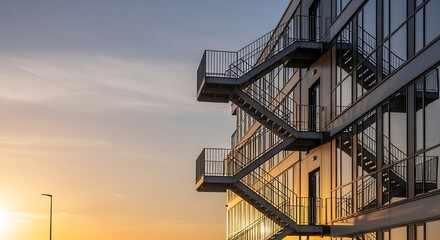
Metal stair railings are valued for their exceptional durability and long-lasting performance. Unlike some materials that may warp, crack, or deteriorate over time, properly fabricated metal is designed to withstand years of daily use while maintaining its structural integrity. This strength makes metal an excellent choice for staircases that experience frequent foot traffic in both residential and commercial settings. With proper installation and routine maintenance, metal railings can continue performing reliably for decades. Their lasting durability makes them a practical long-term investment.
Another reason metal railings remain popular is their remarkable design flexibility. They can be fabricated into clean modern lines, elegant ornamental patterns, geometric designs, or custom artistic features that complement nearly any architectural style. Whether a property has a contemporary appearance, an industrial-inspired interior, or a more traditional design, metal railings can be customized to create a cohesive look. Their versatility allows homeowners to balance safety with aesthetic appeal. This combination of function and style makes metal railings suitable for a wide variety of projects.
What Are Some Modern Metal Stair Railing Ideas?
Minimalist metal railings remain one of the most popular design choices for modern interiors. These railings often feature slim vertical balusters, horizontal bars, or simple geometric layouts that emphasize clean lines without overwhelming the surrounding space. Their understated appearance creates an open and airy feeling while allowing other architectural elements to stand out. This style pairs particularly well with modern homes that emphasize simplicity and natural light. A minimalist railing offers timeless elegance without excessive ornamentation.
Another contemporary idea is combining metal with complementary materials such as wood or glass. Metal frames paired with wooden handrails introduce warmth while maintaining structural strength, creating an attractive balance between modern and traditional design elements. Glass panels supported by metal framing allow unobstructed views and maximize natural light throughout the home. These mixed-material designs create sophisticated staircases that feel both functional and visually striking. Combining materials provides nearly endless opportunities for customization.
How Can Decorative Metal Railings Enhance Interior Design?
Decorative metal railings can become one of the home’s most memorable architectural features. Intricate scrollwork, custom patterns, curved elements, and artistic details introduce personality while elevating the overall appearance of the staircase. Rather than serving only as a safety feature, decorative railings contribute to the home’s design character and visual identity. Skilled metal fabrication allows unique patterns that reflect individual preferences while complementing surrounding finishes. Custom craftsmanship transforms everyday functionality into artistic design.
Decorative railings also create opportunities to coordinate with other architectural features throughout the home. Matching balcony railings, entry gates, lighting fixtures, or decorative accents helps establish a unified design theme that flows naturally from one area to another. This visual consistency strengthens the home’s overall appearance while creating a more refined living environment. Carefully coordinated metalwork contributes to a polished and thoughtfully designed interior. Every detail supports a more cohesive architectural style.
What Should Homeowners Consider When Choosing Metal Stair Railings?
The overall architectural style of the home should guide the railing design. Modern homes often benefit from clean, simple railings with minimal detailing, while more traditional interiors may be complemented by decorative metalwork or classic ornamental designs. Selecting a railing that harmonizes with flooring, walls, lighting, and surrounding finishes creates a more balanced appearance throughout the space. Thoughtful planning ensures the staircase enhances the home’s overall design rather than competing with it. Visual harmony contributes to lasting appeal.
Safety remains equally important when selecting stair railings. Height, spacing, structural stability, and secure installation all influence how well the railing performs during everyday use. Homeowners should consider who will regularly use the staircase, including children, older adults, or individuals with mobility concerns. Choosing a design that balances attractive appearance with dependable functionality creates a staircase that is both beautiful and practical. Safe design should always complement visual style.
How Can Metal Stair Railings Improve Property Value?
A professionally designed metal staircase railing often becomes a standout feature that enhances the overall appearance of a home. Attractive architectural details leave a positive impression on visitors and prospective buyers while demonstrating attention to quality and craftsmanship. Because staircases frequently occupy highly visible areas of the home, upgrading the railing can significantly improve the perceived value of the interior. A thoughtfully designed staircase contributes to a more refined living environment. Visual improvements often strengthen overall market appeal.
Metal railings also provide lasting value because of their durability and relatively low maintenance requirements. Properly fabricated and finished metal resists many of the issues that affect other railing materials, allowing homeowners to enjoy dependable performance with minimal upkeep. This combination of longevity and visual appeal makes metal stair railings an attractive investment for both current enjoyment and future resale. Durable materials often provide greater long-term value than frequent replacements or repairs.
How Can Homeowners Keep Metal Stair Railings Looking Their Best?
Routine maintenance helps preserve the appearance and performance of metal stair railings throughout their lifespan. Regular cleaning removes dust, fingerprints, and everyday buildup that can accumulate on the surface over time. Keeping the railing clean allows homeowners to maintain its original finish while making it easier to identify small issues before they become larger maintenance concerns. Consistent care supports both beauty and durability. Simple maintenance routines often produce long-lasting results.
Periodic inspections are also valuable for ensuring the railing remains secure and structurally sound. Homeowners should occasionally check for loose fasteners, worn finishes, or signs of corrosion that may develop over many years of use. Addressing these small issues promptly helps preserve both safety and appearance while extending the life of the railing. Preventive maintenance protects the original investment and supports dependable long-term performance. A well-maintained railing continues enhancing the home’s interior for years to come.
What Design Trends Are Shaping Metal Stair Railings Today?
Current design trends continue moving toward open, light-filled interiors where staircases become elegant architectural statements rather than purely functional elements. Thin-profile metal railings, floating staircase designs, and mixed-material combinations help create spacious environments that emphasize simplicity and clean geometry. Matte finishes, neutral colors, and understated details remain especially popular because they complement a wide range of interior styles without appearing dated. These modern trends focus on creating timeless designs that continue looking attractive as decorating preferences evolve.
At the same time, many homeowners are choosing custom metal railings that reflect their personal style while maintaining contemporary appeal. Unique laser-cut patterns, artistic geometric shapes, and handcrafted details allow staircases to become one-of-a-kind design features without sacrificing functionality. Personalized fabrication gives homeowners the opportunity to create spaces that feel distinctive while maintaining the durability associated with metal construction. These custom touches transform an ordinary staircase into a memorable architectural centerpiece.
Final Thoughts
Metal stair railing ideas offer an outstanding combination of safety, durability, and architectural style for both residential and commercial properties. Whether selecting sleek minimalist designs, decorative custom metalwork, or modern mixed-material combinations, homeowners have countless options for creating staircases that enhance both functionality and visual appeal. Careful planning, quality fabrication, professional installation, and routine maintenance all contribute to railings that continue performing beautifully for many years. Investing in thoughtfully designed metal stair railings not only improves everyday safety but also adds lasting elegance and value to the entire property.