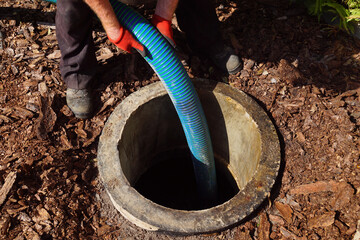
What Causes Pest Infestations and How Can You Prevent Them?

pest control

Have you ever walked into your kitchen late at night and spotted an unwanted pest scurrying across the floor? Or perhaps you’ve noticed strange sounds coming from behind walls, tiny holes in stored food packages, or unexplained damage to wood and furniture. These warning signs often indicate the onset of a pest infestation, a problem that can quickly escalate from a minor inconvenience to a major concern if left unchecked.

Pests are more than just unwelcome guests. They can damage property, contaminate food, spread bacteria, and create an unhealthy living environment. Whether the infestation involves insects, rodents, or other nuisance pests, early detection and proper prevention are essential for protecting homes and businesses. Understanding the causes of pest infestations and how to address them can help property owners maintain a cleaner, safer, and more comfortable environment year-round. Contact Ben’s Pest Control for more details.

Understanding Pest Infestations

A pest infestation occurs when unwanted organisms establish themselves within a property and begin reproducing or causing damage. Pests are typically attracted to environments that provide easy access to food, water, and shelter. Once these basic needs are met, they can thrive and multiply rapidly.

Many pests are highly adaptable and capable of surviving in a variety of environments. Some prefer warm indoor spaces, while others are attracted to moisture-rich areas such as basements, kitchens, bathrooms, and crawl spaces. Because different pests have different behaviors and survival strategies, infestations can take many forms and vary in severity.

The challenge with pest infestations is that many species are skilled at remaining hidden. By the time visible signs become noticeable, the population may already be well established. This is why regular inspections and preventive maintenance play such an important role in pest management.

Common Causes of Pest Infestations

Understanding why pests invade a property is the first step toward preventing future problems. In most cases, infestations occur because the environment provides resources that pests need to survive.

Food availability is one of the most significant factors. Crumbs on floors, uncovered food containers, overflowing trash bins, and pet food left out overnight can attract a wide variety of pests. Even small amounts of food residue can provide enough nourishment to support growing populations.

Moisture is another major contributor. Many pests depend on water sources for survival. Leaking pipes, clogged drains, standing water, and excessive humidity can create ideal conditions for insects and rodents alike. Areas with poor ventilation often become particularly attractive to moisture-loving pests.

Shelter also plays an important role. Cluttered storage spaces, piles of cardboard, stacks of firewood, and overgrown vegetation provide hiding places where pests can nest and breed. Once established, these sheltered areas can support infestations for extended periods.

Structural vulnerabilities frequently contribute to pest entry. Cracks in foundations, gaps around windows and doors, damaged screens, and openings around utility lines can all serve as access points. Pests are often capable of entering through surprisingly small openings, making thorough inspections essential.

Signs That You May Have a Pest Infestation

Recognizing the warning signs of a pest infestation can help prevent extensive damage and reduce the difficulty of removal. While signs vary depending on the type of pest involved, several indicators commonly suggest unwanted activity.

Droppings are among the most obvious clues. Many pests leave behind waste in areas where they travel, feed, or nest. Discovering droppings in cabinets, pantries, attics, or along walls may indicate an active infestation.

Property damage is another common sign. Chewed wires, damaged insulation, holes in food packaging, and gnawed furniture may point to rodent activity. Certain insects may damage wood, fabrics, or stored goods.

Unusual sounds often occur when pests are active behind walls, ceilings, or floors. Scratching, scurrying, buzzing, or chirping noises can indicate hidden populations that are difficult to see directly.

Foul odors may also develop as infestations grow. Accumulated waste, nesting materials, and deceased pests can create unpleasant smells that linger within the property.

In some cases, live pests may be seen during the day. While occasional sightings do not always indicate a serious problem, repeated encounters often suggest a larger population hidden nearby.

The Risks Associated With Pest Infestations

Pest infestations can affect far more than comfort and convenience. Depending on the species involved, they may pose significant risks to health, safety, and property.

One of the primary concerns is contamination. Many pests travel through unsanitary environments before entering homes and buildings. As they move across food preparation surfaces, storage areas, and household items, they may spread bacteria and other harmful contaminants.

Property damage is another serious issue. Certain pests are capable of chewing through wood, insulation, drywall, and electrical wiring. Over time, this damage can become costly to repair and may even create safety hazards.

Indoor air quality can also suffer during an infestation. Droppings, shed skin, nesting materials, and other debris can contribute to airborne particles that affect respiratory health. Individuals with allergies or asthma may experience increased symptoms in heavily infested environments.

Some pests can also damage personal belongings. Clothing, books, furniture, and stored items may be affected depending on the nature of the infestation. These losses can be both financially and emotionally significant.

Because of these risks, addressing infestations promptly is important for preserving both the condition of a property and the well-being of its occupants.

Effective Strategies for Pest Prevention

Preventing pest infestations is often far easier and less expensive than dealing with an established problem. A proactive approach can significantly reduce the likelihood of unwanted pests entering and thriving within a property.

Maintaining cleanliness is one of the most effective preventive measures. Regular cleaning removes food residues and eliminates many of the resources that attract pests. Kitchens, dining areas, and food storage spaces should receive particular attention.

Proper food storage is equally important. Keeping food in sealed containers limits access and reduces odors that may attract pests. Pet food should also be stored securely and not left exposed for extended periods.

Managing moisture can greatly improve pest prevention efforts. Repairing leaks, improving ventilation, and addressing drainage issues help eliminate water sources that many pests require. Keeping areas dry makes them less appealing to insects and rodents.

Reducing clutter is another valuable strategy. Organized storage areas provide fewer hiding places and make inspections easier. Removing unnecessary items can help identify problems before they become severe.

Sealing entry points is essential for long-term protection. Cracks, gaps, and openings around the structure should be repaired promptly. Door sweeps, weather stripping, and properly fitted screens can further reduce access opportunities.

How Pest Control Supports Long Term Property Protection

Pest control is not simply about eliminating existing infestations. It is also about creating conditions that discourage future activity. Effective pest management combines prevention, monitoring, and targeted intervention to provide lasting results.

Routine inspections are an important component of this process. Regular evaluations can identify vulnerabilities and detect early signs of pest activity before significant damage occurs. Early intervention often leads to faster and more cost-effective solutions.

Monitoring also helps track seasonal changes in pest behavior. Certain pests become more active during specific times of the year, making ongoing observation valuable for maintaining protection.

Integrated pest management strategies focus on addressing the root causes of infestations rather than relying solely on reactive treatments. By reducing access to food, water, and shelter, property owners can create environments that are naturally less attractive to pests.

Long-term pest control requires consistency. Preventive measures that are maintained throughout the year are generally more effective than temporary solutions applied only when problems become noticeable.

Why Early Action Matters

One of the most important aspects of pest management is responding quickly when signs of activity appear. Small infestations are often easier to control than large, established populations.

When pests are allowed to remain unchecked, they can reproduce rapidly and spread throughout a property. What begins as a minor issue in one area may eventually affect multiple rooms or structures.

Early action can also reduce repair costs. Addressing pest activity before significant damage occurs helps preserve building materials, personal belongings, and valuable assets. The longer an infestation continues, the greater the likelihood of costly consequences.

Health concerns may also increase over time. Larger pest populations generate more waste and create more opportunities for contamination. Prompt intervention helps protect indoor environments and supports overall occupant well-being.

Being proactive rather than reactive is often the key to successful pest management.

Final Thoughts

Pest infestations are a common challenge that can affect properties of all types and sizes. Whether caused by easy access to food, excess moisture, available shelter, or structural vulnerabilities, pests are always searching for environments that support their survival. Understanding the causes of infestations and recognizing early warning signs can help property owners take action before problems escalate.

Effective pest prevention relies on cleanliness, proper maintenance, moisture control, and routine inspections. By eliminating conditions that attract pests and addressing issues promptly, it is possible to reduce the risk of infestations and maintain a healthier, safer environment. Consistent attention to pest management not only protects property but also provides peace of mind for everyone who occupies the space.

Septic Service Options: Choosing the Right Maintenance and Repair Solutions for Your Home

Septic Service

Most homeowners do not think about their septic system until something starts going wrong. A slow draining sink, unpleasant odors outside, or water pooling in the yard can quickly become signs of a much larger issue underground.

Septic systems work continuously to manage household wastewater, but like any important system, they require proper care and occasional professional attention. Understanding the different Septic Service Fresno options available can help homeowners protect their property, avoid expensive repairs, and maintain a healthy plumbing system for years to come.

Understanding the Importance of Septic Services

Septic systems are designed to process wastewater safely and efficiently, but they rely on regular maintenance to continue functioning properly. Over time, waste accumulates inside the tank, components wear down, and drainage systems can become stressed. Septic services help address these issues before they turn into serious problems that may disrupt daily life.

Professional septic services are not limited to emergencies. Many homeowners schedule routine maintenance to keep the system in good condition and reduce the risk of backups or drain field damage. Preventive care is one of the most effective ways to extend the lifespan of a septic system and maintain its efficiency.

Another reason septic services are important is environmental protection. A poorly maintained septic system can release untreated wastewater into the surrounding soil and groundwater. This can create health concerns and damage nearby ecosystems. Proper service and maintenance help ensure wastewater is managed responsibly and safely.

Septic Tank Pumping Services

One of the most common septic service options is septic tank pumping. Over time, solid waste settles at the bottom of the tank and forms a sludge layer. If this buildup becomes excessive, the tank loses its ability to separate waste effectively. Pumping removes accumulated sludge and scum to restore proper capacity inside the system.

The frequency of pumping depends on factors such as household size, water usage, and tank capacity. Homes with larger families often require more frequent pumping because they generate more wastewater daily. Routine pumping helps prevent solids from entering the drain field, where they can create severe blockages and expensive damage.

Septic tank pumping also provides an opportunity for professionals to inspect the condition of the tank. During service, they may identify cracks, leaks, or early signs of wear that could affect long term performance. Regular pumping is one of the most important steps in maintaining a healthy septic system.

Septic System Inspection Services

Inspection services are another essential part of septic system maintenance. A septic inspection evaluates the condition of the tank, pipes, drain field, and other system components. These inspections help identify potential issues before they become major repairs.

Homeowners often schedule inspections when purchasing a property, after experiencing plumbing issues, or as part of routine maintenance. During the inspection, professionals may measure sludge levels, check wastewater flow, and look for signs of leaks or structural damage. Early detection of problems can save homeowners significant time and money.

Inspections are especially valuable because many septic issues develop slowly and remain hidden underground. Without professional evaluation, small problems may go unnoticed until they cause backups or system failure. Routine inspections provide peace of mind and help ensure the system continues functioning efficiently.

Septic Tank Cleaning Services

Septic tank cleaning goes beyond simple pumping by thoroughly removing waste and buildup from inside the tank. Over time, residue can accumulate on tank walls and components, reducing overall efficiency. Cleaning helps restore the system’s ability to process wastewater effectively.

This service is particularly beneficial for systems that have not been maintained regularly or are experiencing recurring issues. Cleaning may also involve checking filters, baffles, and other internal components that help regulate wastewater flow. Removing excess buildup supports better system performance and reduces stress on the drain field.

Many homeowners combine cleaning services with regular pumping schedules to maintain long term septic health. A cleaner tank allows natural bacteria to function more effectively and helps reduce odors and blockages inside the system.

Septic Repair Services

Even with proper maintenance, septic systems may eventually require repairs. Components such as pipes, pumps, lids, or baffles can wear down over time and affect system performance. Septic repair services address these issues before they lead to complete system failure.

Common repairs include fixing leaks, replacing damaged pipes, and repairing cracked tanks. Some systems may also require adjustments to improve wastewater flow or drainage. Addressing repairs quickly helps prevent larger problems that can affect the entire septic system.

Drain field repairs are another important service option. If wastewater cannot filter properly through the soil, standing water and foul odors may develop around the property. Repairing or restoring the drain field helps maintain safe wastewater treatment and prevents environmental contamination.

Emergency Septic Services

Emergency septic services are designed to handle urgent problems that require immediate attention. Sewage backups, overflowing tanks, and severe drainage issues can create unsafe and unsanitary conditions inside the home. Fast response is essential to minimize damage and restore proper system function.

Emergency services often include immediate pumping, blockage removal, and temporary repairs to stop wastewater from spreading. Professionals may also inspect the system to identify the underlying cause of the emergency and recommend long term solutions.

While emergencies can happen unexpectedly, many septic failures result from neglected maintenance. Routine care and inspections help reduce the likelihood of urgent situations and protect homeowners from costly disruptions.

Drain Field Maintenance and Restoration

The drain field is one of the most important parts of a septic system because it filters treated wastewater back into the soil. Over time, however, drain fields can become compacted, clogged, or overloaded. Drain field maintenance services help restore proper drainage and improve system performance.

Professionals may use specialized techniques to remove buildup, improve soil absorption, and restore airflow within the drain field. In some cases, damaged sections may require repair or replacement. Addressing drain field issues early helps prevent wastewater backups and protects the surrounding property.

Homeowners can also support drain field health through proper maintenance habits. Avoiding heavy vehicles, reducing water usage, and keeping tree roots away from the area all contribute to better long term performance.

Septic System Installation and Replacement Options

In some situations, older septic systems may require full replacement rather than repair. Installation services are necessary when a new system is needed due to severe damage, outdated components, or increased household demands.

The installation process involves evaluating soil conditions, determining proper tank size, and designing an efficient wastewater management system. Proper installation is essential for long term reliability and compliance with local regulations.

Replacement systems may also include modern upgrades that improve efficiency and wastewater treatment. Investing in a properly designed system can provide homeowners with improved performance and reduced maintenance concerns over time.

Choosing the Right Septic Service Option

Selecting the right septic service depends on the condition of the system and the homeowner’s specific needs. Routine pumping and inspections are ideal for preventive maintenance and long term care. Cleaning services may be necessary for systems experiencing buildup or reduced efficiency.

Repair services are important when components become damaged or wastewater flow is affected. Emergency services provide immediate solutions during urgent situations, while drain field restoration helps maintain proper filtration and drainage.

Homeowners should also consider the age of the system and maintenance history when deciding on services. Regular professional care is often the best way to prevent major repairs and extend the lifespan of the septic system.

Conclusion

Septic service options play a vital role in maintaining a safe, efficient, and reliable wastewater system. From routine pumping and inspections to repairs and emergency support, each service helps protect the health and performance of the septic system. Understanding these options allows homeowners to make informed decisions and address problems before they become severe.

Regular maintenance and timely service not only improve system efficiency but also reduce long term repair costs and environmental risks. A properly maintained septic system supports a cleaner, healthier, and more comfortable home environment. By investing in the right septic services, homeowners can protect their property and ensure dependable wastewater management for many years to come.

What Is Foundation Repair and How Do You Know If Your Home Needs It?

Foundation Repair

It often starts with something small that is easy to overlook. A thin crack in the wall, a door that suddenly sticks, or a floor that no longer feels level can seem like minor issues. But these subtle signs can point to a deeper problem beneath your home. The foundation is what supports everything above it, and when it shifts or weakens, the entire structure can be affected. Foundation repair addresses these issues at their source, helping restore stability and prevent further damage.

Understanding Foundation Repair Murfreesboro TN can help you act early, avoid costly problems, and protect the long term safety of your home.

What Is Foundation Repair

Foundation repair is the process of fixing structural problems in a building’s base. These issues can develop over time due to soil movement, moisture changes, or natural settling.

The goal of foundation repair is to stabilize the structure and correct any uneven movement. This may involve reinforcing the foundation, lifting sections that have settled, or sealing cracks.

Unlike surface level fixes, foundation repair focuses on the root cause of the problem. This ensures that the solution is long lasting rather than temporary.

A properly repaired foundation helps maintain the strength and integrity of the entire home.

Common Signs of Foundation Problems

Recognizing early warning signs can help prevent more serious damage. One of the most common signs is cracks in walls, floors, or ceilings. These cracks may grow over time if the issue is not addressed.

Doors and windows that no longer open or close properly can also indicate foundation movement. Changes in alignment affect how these features function.

Uneven or sloping floors are another sign. This can make walking uncomfortable and may indicate shifting beneath the structure.

Gaps between walls and ceilings or around window frames may also appear. These gaps often result from structural movement.

Paying attention to these signs allows you to take action before problems worsen.

Causes of Foundation Damage

Several factors can contribute to foundation issues. Soil movement is one of the most common causes. Changes in moisture levels can cause soil to expand or shrink, putting pressure on the foundation.

Poor drainage can also lead to problems. Water buildup around the foundation weakens the soil and increases the risk of movement.

Tree roots can affect the foundation by drawing moisture from the soil or applying pressure as they grow.

Natural settling occurs over time as the ground adjusts. While some settling is normal, excessive movement can lead to damage.

Understanding these causes helps you take preventive steps to protect your home.

Types of Foundation Repair Methods

Different problems require different repair solutions. One common method involves installing support systems beneath the foundation to provide stability.

Another approach focuses on lifting and leveling sections that have settled. This helps restore proper alignment and function.

Crack repair is used for smaller issues. Sealing cracks prevents water from entering and causing further damage.

Improving drainage around the home is often part of the repair process. This reduces moisture related issues and supports long term stability.

Each method is selected based on the specific condition of the foundation.

The Foundation Repair Process

The repair process begins with a detailed inspection. This step identifies the cause and extent of the problem.

Once the issue is understood, a repair plan is created. This plan outlines the methods and steps needed to fix the problem.

Preparation may involve clearing the area and accessing the foundation. This ensures that repairs can be carried out effectively.

The repair work is then performed, focusing on stabilizing and restoring the structure. This may include installing supports, leveling the foundation, or sealing cracks.

A final inspection ensures that the repairs have been completed correctly and that the foundation is stable.

Cost of Foundation Repair

The cost of foundation repair can vary depending on several factors. The severity of the damage is one of the main considerations. Minor repairs are generally more affordable, while major structural issues can be more expensive.

The size of the home and the type of foundation also influence cost. Larger structures or more complex foundations may require additional work.

Materials, labor, and the chosen repair method all contribute to the overall expense.

Addressing issues early can help reduce costs and prevent more extensive repairs in the future.

Preventing Foundation Problems

Preventive measures can help reduce the risk of foundation damage. Proper drainage is one of the most important factors. Ensuring that water flows away from the foundation helps maintain stable soil conditions.

Maintaining consistent moisture levels around the home is also important. Sudden changes can cause soil movement.

Regular inspections allow you to identify potential issues early. Addressing small problems promptly helps prevent larger ones.

Keeping vegetation at a safe distance from the foundation can also reduce the impact of roots.

These steps help protect your foundation and extend its lifespan.

When to Call a Professional

Foundation issues should not be ignored, as they can worsen over time. If you notice large cracks, significant shifting, or ongoing problems with doors and windows, it is important to seek professional help.

A professional assessment provides a clear understanding of the problem and the best solution. Early intervention can prevent further damage and reduce repair costs.

Experienced professionals ensure that repairs are done safely and effectively.

Taking action at the right time helps protect your home and provides peace of mind.

Final Thoughts

Foundation repair is a critical part of maintaining the safety and stability of your home. While problems may begin with small signs, addressing them early can prevent more serious damage and costly repairs.

By understanding the causes, recognizing the warning signs, and taking preventive measures, you can protect your foundation and ensure the long term integrity of your property.

In the end, a strong foundation is more than just a structural element. It is the base that supports your home and everything within it, making it essential to keep it in the best possible condition.

Cabinet Refacing for Kitchen Cabinets

Cabinet Refacing

Cabinet Refacing Sacramento is an affordable kitchen upgrade that transforms the look of your cabinets. The refacing process includes repairing or cleaning the cabinet boxes and applying a veneer to the box fronts.

Contractors can install solid wood, 3D laminate, or rigid thermofoil to the boxes. Rigid thermofoil is a great option because it’s non-porous and won’t absorb water vapor, making it more resistant to moisture damage.

Layout and Measurements

Cabinet refacing offers homeowners a great way to give standard kitchen cabinets a custom look without the cost of a complete remodel. The process keeps existing cabinet boxes intact while removing and replacing the old doors and drawer fronts. A well-planned and executed cabinet refacing project can also boost the resale value of a home. According to industry data, a minor kitchen remodel often recoups 80% of its initial cost in terms of increased home sales price.

One of the first steps in a successful cabinet refacing project is to create a budget for the work. This is especially important if you intend to take on the project yourself rather than hire a professional. A good rule of thumb, according to Architectural Art Designs, is to add a ten percent cushion to the budget for unexpected errors and extras.

The next step is to plan the layout and measurements for the new cabinet doors, drawer fronts and end panels. The goal is to ensure the new elements will fit the existing cabinet boxes with minimal adjustments. The easiest way to do this is by creating a line art diagram of the kitchen layout with all cabinet sizes noted. This will allow you to accurately calculate door widths and heights as well as the depth of each cabinet box. If you decide to add a panel or end panel to an opening, be sure to double the size of that cabinet door or drawer front’s overlay to find out how much space will be needed.

It is important to determine the style and finish of cabinet doors that will match the room’s design scheme. For example, if you have cool white walls and light-colored flooring, sleek Shaker-style cabinet doors may be the perfect complement for your refacing project. If you have a natural-toned kitchen, wood veneer might be an ideal choice for your cabinet refacing project.

It’s also important to decide whether to paint or stain the cabinet boxes. In many cases, the best option for refacing your kitchen cabinets is to apply 3D laminate — commonly known as thermofoil — to the exterior of the cabinet boxes. This material molds seamlessly around curves, corners and edges for a high-quality, professionally finished look. In addition, this material resists heat and moisture better than traditional solid surface materials like formica or wood veneer.

Storage Needs

Cabinet refacing is a cosmetic update that keeps cabinet boxes intact and simply adds a fresh new skin. It starts with careful assessment and measurement to confirm that the boxes are square, structurally sound, and worthy of saving. Doors, drawer fronts, and hardware are then removed, cataloged, and stored for later recycling or donation. Cabinet boxes are then thoroughly cleaned and lightly sanded to prep for the application of a new material. Thin layers of real-wood veneer, rigid thermofoil (RTF), or laminate are applied to the cabinet surfaces for a smooth finish that matches your upgraded door and drawer fronts.

Refacing is less costly than a full replacement and it’s environmentally friendly because it avoids sending unrecyclable materials to the landfill. It’s the perfect solution for homeowners who are satisfied with their existing cabinet layout, storage options, and organizational features but want a dramatic style upgrade. However, if you need to improve functionality or the overall layout of your cabinets, a full kitchen remodel is likely necessary.

A full cabinet replacement involves removing every single cabinet box, making potential plumbing and electrical modifications, and installing an entirely new system. It’s the most expensive option but offers complete flexibility in design and layout, a more seamless transition, and brand-new cabinets throughout. However, it’s a long, drawn-out process that can be stressful and disruptive to home life.

Considering the cost and mess of a full renovation, Cabinet Refacing for Kitchen Cabinets is a much more efficient option that delivers stunning results with minimal hassle in days instead of weeks. It’s ideal for homeowners who are ready to breathe fresh life into a compact space, solving challenges that come with working with limited floorspace.

Unlike traditional paint, 3D laminate fully wraps around cabinet doors and drawer fronts in three dimensions. It fuses seamlessly to every curve, edge, and groove, providing an exceptionally polished finish that’s virtually impossible to tell apart from wood grain. This modern material is also durable, reducing the risk of peeling over time. It’s available in a wide range of colors and styles, making it easy to create an updated look that perfectly suits your style preferences.

Style and Finishes

If you are looking for a quick and affordable way to transform your kitchen cabinetry, refacing, resurfacing, or refinishing might be right for you. Unlike a full cabinet replacement, this process involves removing the cabinet doors and drawer fronts to apply new wood veneer or rigid thermofoil to the visible surfaces of your cabinets. This creates a fresh, updated look and can make your kitchen feel larger.

In addition to changing your kitchen’s appearance, refacing also allows you to update your hardware and add additional features like soft-close hinges and crown molding. This is an opportunity to breathe new life into your space and truly customize the room to fit your lifestyle.

Cabinet refacing is less expensive than replacing your entire cabinetry, but the results can be very similar. However, before you jump in feet first to this DIY project, it is important to make sure that you are happy with your current cabinet layout and have some basic home improvement skills. Whether you choose to reface, resurface, or refinish your cabinets, it is important to take care of the existing cabinet boxes and ensure they are in good condition before proceeding. Cracked or warped cabinet boxes can lead to structural problems and may require a full remodel to repair. Additionally, improper application of refacing materials can peel relatively quickly, especially around heat-producing appliances or the edges of the cabinet.

Another key consideration when deciding between refacing and painting is the color scheme of your kitchen. If you love your cabinet hardware but are unhappy with the overall color, refacing is an excellent choice for a refreshed look. You can even mix and match your cabinet doors to achieve a custom design, such as staining your oak cabinets a rich espresso while refacing the interiors of those cabinets with white for a dramatic effect.

Lastly, refacing is an eco-friendly option that keeps your existing cabinet boxes out of the landfill while offering an array of beautiful and customizable options. While cabinet painting is a great option for a fast, inexpensive kitchen update, it cannot change the style of your cabinet doors or fix wear and tear on the existing frames. For this reason, refacing is a smart choice for Roswell and Peachtree City homeowners who want to revitalize their existing kitchen without spending a fortune.

Cost

Cabinet refacing is far less costly than replacing cabinets, typically running between $4,500 and $9,500 for a full kitchen cabinet refresh. This is largely due to the fact that refacing saves you the cost of ripping out and discarding your existing cabinets. However, the exact cost of your project will depend on several factors, including the size of your kitchen and materials used. The final cost will also depend on any additional services you opt to add to your project, such as custom paneling and crown molding.

It is possible to DIY your cabinet refacing, though it’s highly recommended that you work with professionals for the best results. Cabinet refacing is a complex process that requires extensive experience working with veneers. Inexperience can result in lopsided application, creases, or tears that can damage your new doors or drawer fronts.

While you’ll likely have to spend more money hiring a professional, the results will be well worth it. A professional can ensure that your refacing project is seamless and flawless, resulting in a stunning kitchen makeover. Plus, a professional will be able to recommend the best quality products and finishes to match your desired aesthetic.

When it comes to cabinet refacing, the most important thing to remember is that it doesn’t change your existing layout. If you want to rearrange your cabinets, or if you have major structural issues with your cabinet boxes, it’s best to opt for a complete remodel instead of a refresh.

Regardless, if your existing kitchen cabinets are in good condition and you’re happy with your current cabinet layout, refacing is an affordable and eco-friendly option that can give you a like-new kitchen. It’s a quick, cost-effective alternative to a full renovation and can help you transform your space into the kitchen of your dreams. So what are you waiting for? Contact us today to schedule a consultation for your cabinet refacing project. We look forward to helping you uplift your space!

What You Need to Know About Plumbing and Gas Fitting

Plumbing is a complex system that brings freshwater into buildings and removes wastewater while keeping a building’s occupants safe and comfortable. It involves a wide range of equipment, from sinks and toilets to water heaters and irrigation systems.

Plumbing

It also requires an understanding of building codes and standards. Here are a few things to keep in mind if you’re thinking about becoming a plumber. Contact Alexander Plumbing & Remodeling LLC for professional help.

Plumbing regulations establish strict standards for materials, installation methods, and safety. They also promote efficiency and conservation of water resources. Compliance with these standards helps protect people and property from fires, flooding, and water damage. It also saves energy, reduces environmental impact, and prevents costly repairs and leaks.

Federal and state laws require plumbers to carry insurance and obtain a license before working on public jobs. They must usually demonstrate their experience and expertise by passing an exam and completing a formal apprenticeship program. In addition, they must pass a background check and provide proof of financial stability. Some states also require contractors to have a certain number of employees and a minimum amount of work experience.

To become licensed, a plumber must complete a minimum of 1,700 hours of practical, hands-on training in the construction, maintenance, extension, alteration, repair and replacement of all piping and plumbing fixtures and appliances. The training must be completed under the supervision of a master plumber and include instruction on interpreting, reading and converting technical drawings, blueprints and prints.

The Law also requires that applicants submit proof of employment in the plumbing trade for the past two years. This is typically demonstrated by a copy of the federal W-2 income tax form issued to wage and salaried employees, authenticated by the Internal Revenue Service. Defendants were obligated to review the documents submitted by applicants and, if necessary, make recommendations to the Board. The Law did not require the placement of a plumber’s social security number on the face of the license and thus did not infringe upon an applicant’s privacy interests.

Plaintiffs argued that the Law violated their right to due process by depriving them of their pre-existing rights to reciprocity in other municipalities. However, this argument was rejected because a plumber’s right to receive a license in another jurisdiction does not constitute a “property interest.” It is not sufficient that the plumber’s right to reciprocity derives from an existing rule or mutually explicit understandings between communities.

Keeping up with the latest regulatory requirements can be challenging, especially for busy contractors. But working with a knowledgeable and supportive plumbing supply house can help ensure that you’re staying compliant.

The International Plumbing Code (IPC)

The International Plumbing Code is a key piece of legislation that governs plumbing practices in construction. It provides a framework for designers, builders, and contractors to construct plumbing systems that ensure sanitary conditions and safeguard public health. The IPC also establishes minimum standards for the use of materials and products. This includes testing and certification of plumbing products to ensure they meet established quality and safety standards.

The IPC provides detailed guidelines for sizing water pipes to prevent overflow, and it includes requirements for backflow prevention devices and the proper disposal of wastewater. The code also defines the types of piping and fittings that can be used in a plumbing system. It sets strict installation practices that ensure the correct placement of pipe fittings, and it specifies piping slopes to maintain a safe and balanced pressure in drainage systems. The IPC also includes guidelines for determining the amount of water a fixture needs, which reduces energy consumption and helps to conserve natural resources.

Many states and cities adopt the IPC as their local model code, and many municipalities incorporate specific provisions to meet their unique needs. For example, Phoenix has modified the IPC to address its arid climate, including specific standards for water conservation and drought-resistant design. In addition, it has developed a water demand calculator that allows engineers and plumbers to estimate the required volume of water needed for each building and its occupants.

Having the IPC widely adopted by several areas allows for better sharing of best practices among building professionals across different regions. Wide adoptions also help to reduce costs for manufacturers and consumers through economies of scale. The IPC is updated every three years through a consensus-based process that includes subject matter experts from all parts of the industry, such as plumbers, engineers, manufacturers, environmentalists, and code officials.

The ICC publishes proposals for changes to the IPC at the beginning of each code cycle and holds public hearings to receive comments from architects, builders, and designers. These hearings are an opportunity for professionals to voice their concerns about proposed changes and help shape the future of the code. The ICC also provides technical support and resources for professionals who need assistance with interpreting the IPC or applying its provisions in practice.

The Environmental Protection Agency (EPA)

The Environmental Protection Agency (EPA) is a powerful federal agency that possesses the authority to regulate a wide range of aspects of America’s environment. EPA regulations cover air, water, waste, chemicals, and many other aspects of daily life. The EPA works to achieve its goals through legislation, partnerships, and public education.

When President Richard Nixon created the EPA in 1970, he intended to make it a powerful force for social responsibility. Its first Administrator, William Ruckelshaus, gained media attention for his aggressive approach to environmental problems. The media portrayed him as a knight in shining armor, slaying the wicked polluters of America.

Since the 1970s, the EPA has achieved significant accomplishments in improving the nation’s environment. Air pollution, for example, has declined by over 70 percent since the creation of the EPA. The EPA is also working to prevent contamination by working with states, local governments, tribes, and industry to enhance the livability and economic vitality of neighborhoods.

One of the main issues EPA addresses is the quality of drinking water. The EPA has developed a number of rules regulating the levels of lead and copper in drinking water. Lead and copper enter drinking water primarily through plumbing materials. Exposure to these metals can cause stomach distress, brain damage, and a host of other health issues. The EPA’s rule, known as the Lead and Copper Rule (LCR), requires water systems to test their drinking water for lead and copper levels at least once per year.

The EPA is also addressing other drinking water issues. The agency is attempting to limit the use of diisononyl phthalate (DINP) in plastic products because it is a dangerous chemical that can leach into drinking water supplies and pose a health risk to people.

The EPA is a powerful agency with the power to enforce and rewrite laws and rules. It is critical that plumbers are familiar with the laws and rules governing their practice. Failure to comply with these laws can result in fines and other legal repercussions. The International Plumbing Code (IPC) is an important set of regulations that governs the design, installation, and maintenance of plumbing systems. It establishes uniform standards to ensure that plumbing systems meet safety requirements and protect the public from health and property hazards.

Soft Skills

To start a career as a plumber or gas fitter, you need qualifications from a college course, apprenticeship, or a CSCS card (if working on construction sites). While hard skills are necessary to get the job done, soft skills make you a valuable team member and customer advocate.

Developing the right mix of soft skills is vital for plumbing and pipe fitting. This includes the ability to effectively communicate with clients and work with other members of the construction team. It also includes the ability to assess and manage risk. For example, if a customer is uncomfortable with having a stranger inside their home, the right attitude and soft skills can remove that discomfort.

As you can imagine, acquiring these soft skills takes more than a high school diploma or equivalent. You must be willing to invest time in training and learning, and take the time to develop these skills alongside your technical training. You must also be able to adapt to the ever-changing nature of the field. This means embracing new technology, understanding regulatory changes, and learning how to work with different pipe materials.

The ability to read and interpret blueprints is an important part of a plumber’s skill set, as it allows them to accurately install fixtures and pipes. It also requires attention to detail, which helps to avoid mistakes and ensure the job is completed correctly the first time. Having strong communication skills is also beneficial, as it allows plumbers to effectively explain complex issues to their customers and collaborate with other construction teams.

Soft skills also help plumbers create a positive client experience. For example, they can help a customer understand how to prevent future problems and reduce energy costs. They can also improve the comfort level of a customer by treating them with respect and ensuring they feel heard. Having the right soft skills will also make it easier to handle emergency plumbing situations, such as leaks, clogged lines, or overflowing toilets.

Although plumbing and pipe fitting may seem like a tough job, it is surprisingly versatile. The right soft skills can help you get the most out of your career in this rewarding and in-demand industry.

Emerging Leaders in the Electrical Contractors Field

From small industrial buildings to large hundred-acre factories, every facility needs a skilled electrical contractor. They provide system upgrades, maintenance, and emergency repairs.

Electrician

They are also involved in the planning and design of new facilities. They help determine electrical requirements and ensure that the building meets safety standards. They also work with construction workers to install the systems and cables. 

Electrical systems play a critical role in enabling industrial facilities to run heavy machinery and operations that require continuous, large-scale power delivery. In order to ensure that these systems meet their requirements, they rely on high-voltage infrastructure, which requires precise planning and expert installation to prevent unexpected issues or failures.

This specialized area of expertise is also required for delivering critical utility services, such as transmission line construction and repair, substation installation and maintenance, emergency power restoration, and grid modernization projects. Providing these vital services requires extensive knowledge of high-voltage systems as well as an unwavering commitment to the safety standards that safeguard workers and communities alike.

In addition to the high-voltage work that they do, line electrical contractors also provide other specialized services, such as installing and repairing distribution transformers. These vital components reduce electricity from high voltages to safer levels that can be supplied to homes and businesses. When they encounter problems with these transformers, they know how to quickly diagnose and resolve the issue to keep homes and businesses powered without interruption.

Another essential component of this specialized area of expertise is the ability to design and install data cabling networks that enable seamless communication and information flow in residential spaces. This includes wired and wireless networks that connect various devices within a home, allowing users to control and monitor their energy consumption from anywhere.

Expert industrial electrical contractors have a deep understanding of the unique power needs of manufacturing facilities. They can assess a facility’s operational goals, supplier prices, and energy consumption to develop customized workforce solutions that deliver optimal efficiency, cost savings, and overall system performance. In addition, they can implement automation and energy-efficient lighting systems that align with a facility’s sustainability objectives.

Industry-Specific Knowledge

Industry-specific knowledge is a deep understanding and insight into the dynamics, trends, and practices that characterize a specific market sector or niche. This level of understanding facilitates business partnerships and client loyalty by demonstrating that an Emerging Leader understands their clients’ needs and goals within the industry context, allowing them to tailor their services to support long-term success. This level of understanding can be attained through various means, including gaining mentorship from an experienced professional, attending industry conferences and seminars, pursuing education or certifications related to the industry, or reading trade and/or industry publications.

Expert electrical contractors understand the demands of industrial environments and can apply their experience to help facilities meet their operational goals and strategic vision. This level of expertise enables them to implement electrical solutions that optimize energy management, enhance operational safety, and support continuous production cycles. This includes the use of cutting-edge technology such as smart grids, automation systems, and energy-efficient lighting, all of which align with a facility’s sustainability goals.

In addition to industry-specific knowledge, experts also possess a high level of general business and organizational skills that enable them to thrive in a variety of settings. These include communication, teamwork, and problem-solving abilities. These skills are essential for effective interactions with colleagues, business partners, and project stakeholders. They can be strengthened through frequent interaction with clients and teammates, by embracing opportunities to practice clear and empathetic communication, and by continually analyzing and improving interpersonal interactions. They can also be strengthened through training in customer service and conflict resolution, and by seeking out opportunities to participate in a variety of team-building exercises. By embracing these opportunities, experts are able to build strong relationships that foster trust and collaboration, resulting in greater business performance and productivity.

Advanced Problem-Solving Skills

Electrical contractors often work in dynamic settings, requiring them to think quickly and adapt as they encounter unexpected challenges. They are adept at troubleshooting, identifying and addressing root causes of malfunctions to ensure electrical systems operate smoothly. As experts in their field, they are also skilled at providing proactive maintenance services that avoid costly issues before they occur.

Exceptional electricians possess excellent communication skills, which facilitate seamless interactions with clients, colleagues, and other professionals. They are able to translate complex technical information into language that is understandable for non-technical stakeholders, and they are adept at relaying instructions and providing guidance to apprentices and other team members. The ability to communicate clearly and concisely is also important for safety, as it ensures that everyone involved in a project is aware of potential hazards and takes appropriate precautions to prevent accidents.

Commercial projects often involve working with a variety of other construction teams and stakeholders, requiring electrical contractors to be proficient at collaboration. They also need to be able to read and interpret detailed technical drawings and blueprints, as well as maintain an in-depth knowledge of current industry standards. Moreover, they need to be able to manage their time and resources effectively, especially when overseeing multiple projects or a team of electrical technicians and apprentices.

Finally, it is essential for electrical contractors to be dedicated to implementing safe workplace practices. They must be able to prioritize tasks and adhere to strict safety protocols when performing job-related duties, such as inspecting electrical equipment or wiring buildings. They also need to be able to identify and address any potential risks before they become a serious issue, which requires an in-depth understanding of safety protocols and procedures as well as the ability to perform risk assessments.

Regulatory Compliance Expertise

Electrical Contractors must be knowledgeable about and adhere to a variety of codes, standards, regulations, and laws that govern their work. This ensures that systems are safe to use and reduces risks such as fires, electrical shocks, and energy waste. It also helps protect property owners and employees from liability.

For example, if a commercial building has non-compliant wiring, it could cause a fire that damages the structure or leads to an outage. This can result in expensive repairs or even a total loss of business. To avoid such issues, it’s vital that your company chooses a contractor that follows electrical code compliance for commercial buildings in Northern Colorado.

In addition to ensuring safety, electrical contractors must follow regulations that govern how they manage their business and interact with clients. This includes establishing professional boundaries, maintaining records, and reporting any violations. It’s also important for electrical contractors to prioritize continuous improvement by seeking out new opportunities and implementing innovative practices in their work.

An experienced electrical contractor can anticipate challenges that may arise during a project and develop strategies to overcome them. For example, if the construction timeline is compressed or the client’s budget is tight, an electrical contractor can still deliver quality results by prioritizing efficiency and streamlining processes.

Electrical contractors also have strong leadership skills and can effectively direct teams of electrical workers. They can assign tasks, delegate responsibilities, and provide feedback to their team members in a way that builds trust and fosters a positive workplace culture.

The best industrial electrical contractors have extensive knowledge of the unique electrical needs of manufacturing facilities. This expertise enables them to create customized solutions that improve productivity and profitability. For example, a pharmaceutical plant benefited from an electrical contractor’s ability to understand industry-specific regulations and implement compliant electrical systems. This enabled the facility to continue production without incurring costly penalties.

Continuous Improvement

Achieving continuous improvement is a key goal for electrical contractors. They regularly solicit feedback from clients to identify areas where improvements can be made and implement those changes. They also invest in continuing education and professional development to expand their knowledge base and hone their skillsets. This collaboration promotes innovation and enables electrical contractors to offer more value to their clients.

Expert electrical contractors provide installation, maintenance, and troubleshooting services for a wide range of businesses. They work closely with architects and engineers to create electrical plans that meet the needs of a building’s design and safety standards. They are also responsible for testing and inspection of new construction projects to ensure they are compliant with local codes.

Electrical contractors can also help businesses save energy costs by installing smart lighting and energy management systems that track power consumption and reduce operating expenses. In addition, they can assist with grid hardening projects to improve resilience against extreme weather events, cyber threats, and equipment failures. Lastly, they can oversee underground distribution construction projects to move overhead lines underground, which reduces the risk of damage from storms.

Choosing the right electrical contractor can make all the difference in the success of your business. Look for a licensed and insured electrical contracting company with a good reputation in the community. They should be able to provide you with references from previous clients and a list of current projects. Ask your local electrical inspector about the contractor’s history of compliance with state licensing and code requirements.

Partnering with an experienced electrical contractor can improve efficiency, increase productivity, and enhance safety standards at your facility. An electrical contractor can also identify outdated equipment that may be causing costly disruptions and upgrade it to the latest technology to save money on electricity bills and minimize downtime.

Mobile IV Hydration – A Growing Non-Traditional Healthcare Service

Mobile IV therapy is a growing non-traditional healthcare service that provides numerous health benefits including hydration, immune support, and energy boosts. The significant demand also presents a lucrative business opportunity for medical professionals.

IV

IV treatments bypass the digestive system, delivering fluids directly into your bloodstream for immediate absorption. They can include a combination of vitamins and nutrients to enhance the effect.

Mobile IV hydration is a convenient healthcare service that allows patients to receive intravenous treatments in the comfort of their own homes or hotels, eliminating the need for clinic visits. These services are especially helpful for individuals who have difficulty traveling due to chronic health conditions or mobility issues. Licensed medical professionals arrive at the patient’s location, equipped with all necessary supplies to administer IV fluids tailored to individual needs.

Hydration is essential to maintaining optimal wellness, but the effects of dehydration can be difficult to overcome. Whether you need to recover from an intense workout or are experiencing a hangover, IV hydration therapy can help you feel better. This type of treatment can deliver essential nutrients and electrolytes directly to the bloodstream, which enhances absorption and accelerates recovery time. This service is also a popular option for travelers who want to maintain their hydration and energy on the road.

In addition to hydrating the body, IV drips can provide a variety of other benefits. For example, they can boost energy levels and improve immune function. They can also reduce fatigue and aid in digestion. In addition, they can improve concentration, relieve sinus congestion, and combat insomnia.

There are many different types of mobile IV hydration services. Some specialize in specific treatments, while others offer a range of options for all types of health conditions. Some companies even offer home delivery. This service is ideal for busy people who don’t have the time or energy to visit a traditional clinic.

While IV hydration is considered safe for most people, it’s important to be aware of the potential side effects. These include minor pain at the injection site, and rare allergic reactions to certain ingredients in the IV solution. Fortunately, most of these risks can be minimized by carefully choosing the right treatment provider. Moreover, the procedure is performed by trained medical professionals who adhere to strict safety standards. These factors ensure a safe and effective experience for the patient.

Customization

When you’re traveling, it’s important to choose the right mobile IV service provider to ensure you receive the best possible care. Reputable providers offer a range of IV formulations designed to combat everything from fatigue and oxidative stress to fitness recovery and fortifying the immune system. They also offer convenient online booking systems and direct phone lines to help you schedule appointments quickly.

IV hydration offers a unique solution to travel-related dehydration and nutrient depletion. During mobile IV therapy, fluids and vitamins are delivered directly into the bloodstream, bypassing the digestive tract. This method offers immediate benefits and is a more effective alternative to traditional oral rehydration methods. In addition to providing immediate relief, mobile IV therapy can also boost energy and improve overall health by promoting detoxification and supporting metabolic function.

Mobile IV hydration services can be delivered to your hotel room, home, or office. Licensed medical professionals conduct all sessions and adhere to strict healthcare guidelines, which gives you peace of mind that you’re receiving safe treatment. This approach also eliminates the need for long wait times at crowded clinics, and it allows you to avoid exposing yourself to potentially contagious patients.

Aside from convenience, mobile IV hydration provides personalized care that caters to each individual’s specific hydration and nutrient needs. The process starts with a consultation where a professional collects your medical history and symptoms to customize an IV blend that’s right for you. These customized IV infusions can include a variety of vitamins and minerals, including B vitamins, glutathione, magnesium, and zinc.

Another advantage of mobile IV hydration is that it’s available around the clock. This makes it easier for travelers to stay hydrated during their trips, even if they’re arriving at odd hours. Once you’ve booked your appointment, a healthcare professional will arrive at your location and disinfect the area before administering the IV. They’ll then review the pre-treatment protocols with you and insert a small catheter into your vein to start the drip. The entire process takes less than an hour, and you’ll be able to relax while the hydration and nutrients are being absorbed into your body.

Safety

Mobile hydration services allow individuals to receive IV treatments at home or their workplace, without having to travel to a clinic. These services are ideal for patients with acute health issues or busy lifestyles, as they can be scheduled at their convenience. These services offer a variety of benefits, including quick treatment for migraines and illness, vitamin infusions for blood health, and more.

Licensed healthcare professionals provide treatments in unmarked vehicles, ensuring that client privacy is maintained throughout the process. They also follow strict health guidelines, ensuring that all procedures are conducted under medical supervision and compliance with state regulations. Mobile IV hydration in Texas is an attractive option for people who value privacy and want to avoid the hassle of scheduling appointments at traditional clinics.

Many people are concerned about the safety of mobile hydration services, but these companies are well-regulated and adhere to strict standards of care. These include maintaining sterile equipment, following medical oversight protocols, and conducting thorough patient screenings. They are also required to maintain comprehensive insurance coverage. Additionally, these services have a strong commitment to educating their clients about the benefits of IV therapy and how it can help improve their health.

IV hydration provides a safe and effective way to rehydrate the body, delivering fluids directly into the bloodstream for rapid absorption. This method also helps restore electrolyte balance, which is critical for proper function and performance. It is an excellent choice for athletes, who may lose a lot of fluids during intense activity.

A basic saline IV can provide vital hydration and energy for anyone in need of a boost. Often, it is combined with other nutrients to promote recovery and improve overall wellness. For example, a pre-event treatment can be used to reduce fatigue and boost mental clarity before an important event, while post-party treatments can help recover from a hangover.

Personalized IV treatments are also available for specific health needs, such as weight loss or boosting energy levels. These infusions contain a combination of vitamins and minerals that can increase fat metabolism, enhance immune system function, and support energy levels. In addition, they can include glutathione for detoxification or anti-aging effects.

Cost

IV hydration therapy has become an increasingly popular non-traditional healthcare service, offering rapid rehydration, energy boosts, immune system support, and more. This treatment involves administering fluids, electrolytes, vitamins, and medications directly into the bloodstream for quick absorption. It is often used as a hangover cure, wellness boost, sports recovery aid, or adjunct treatment for illness. It is available at a variety of clinics and even mobile units that can bring IV therapy to your home or workplace.

The cost of IV hydration can vary significantly, depending on the type of package and the location. Some providers offer bundled packages that are cheaper than individual sessions, while others may charge more for services such as adding extra vitamins or supplements. Some IV hydration clinics also offer membership plans that offer discounted rates for regular treatments. You can also save money by booking treatments during the week, rather than on weekends.

Whether you’re on vacation or working hard at the office, mobile IV hydration can provide an ideal way to get back on track and feel your best. Licensed health professionals will bring intravenous therapy to your home, hotel, or place of business, eliminating the need for a trip to the hospital or clinic. This option is especially helpful for people who struggle with mobility issues or chronic illnesses.

Traveling can be an exciting adventure, but it can take a toll on the body. Long flights, unfamiliar surroundings, and lack of sleep can leave travelers feeling dehydrated and sluggish. This is why mobile IV hydration is becoming a popular choice for frequent travelers.

IV hydration and vitamin therapy is a growing industry, with many options for franchisees. However, it’s important to understand the costs of a mobile IV treatment before making your decision. Some providers offer low prices, but this can be a red flag, as these companies might not provide high-quality services.

In addition to the cost of a mobile IV treatment, you should consider other factors such as safety and convenience. You should look for a company with a strong reputation, and be sure to read reviews from previous clients. You should also check the insurance coverage of your chosen provider, and be sure to ask about any discounts or special offers.

What Are the Best Metal Stair Railings Ideas for Modern Homes?

A staircase is often one of the first architectural features people notice when entering a home or commercial building. While its primary purpose is to provide safe access between levels, the railing can significantly influence the overall style of the space. Metal stair railings have become increasingly popular because they combine strength, durability, and versatile design options that complement both traditional and contemporary interiors. From sleek minimalist profiles to decorative custom designs, metal railings can transform an ordinary staircase into a striking focal point. Exploring different Metal Stairs Railings ideas helps property owners create a staircase that is both visually impressive and built to last.

Why Are Metal Stair Railings a Popular Choice?

metal works

Metal stair railings are valued for their exceptional durability and long-lasting performance. Unlike some materials that may warp, crack, or deteriorate over time, properly fabricated metal is designed to withstand years of daily use while maintaining its structural integrity. This strength makes metal an excellent choice for staircases that experience frequent foot traffic in both residential and commercial settings. With proper installation and routine maintenance, metal railings can continue performing reliably for decades. Their lasting durability makes them a practical long-term investment.

Another reason metal railings remain popular is their remarkable design flexibility. They can be fabricated into clean modern lines, elegant ornamental patterns, geometric designs, or custom artistic features that complement nearly any architectural style. Whether a property has a contemporary appearance, an industrial-inspired interior, or a more traditional design, metal railings can be customized to create a cohesive look. Their versatility allows homeowners to balance safety with aesthetic appeal. This combination of function and style makes metal railings suitable for a wide variety of projects.

What Are Some Modern Metal Stair Railing Ideas?

Minimalist metal railings remain one of the most popular design choices for modern interiors. These railings often feature slim vertical balusters, horizontal bars, or simple geometric layouts that emphasize clean lines without overwhelming the surrounding space. Their understated appearance creates an open and airy feeling while allowing other architectural elements to stand out. This style pairs particularly well with modern homes that emphasize simplicity and natural light. A minimalist railing offers timeless elegance without excessive ornamentation.

Another contemporary idea is combining metal with complementary materials such as wood or glass. Metal frames paired with wooden handrails introduce warmth while maintaining structural strength, creating an attractive balance between modern and traditional design elements. Glass panels supported by metal framing allow unobstructed views and maximize natural light throughout the home. These mixed-material designs create sophisticated staircases that feel both functional and visually striking. Combining materials provides nearly endless opportunities for customization.

How Can Decorative Metal Railings Enhance Interior Design?

Decorative metal railings can become one of the home’s most memorable architectural features. Intricate scrollwork, custom patterns, curved elements, and artistic details introduce personality while elevating the overall appearance of the staircase. Rather than serving only as a safety feature, decorative railings contribute to the home’s design character and visual identity. Skilled metal fabrication allows unique patterns that reflect individual preferences while complementing surrounding finishes. Custom craftsmanship transforms everyday functionality into artistic design.

Decorative railings also create opportunities to coordinate with other architectural features throughout the home. Matching balcony railings, entry gates, lighting fixtures, or decorative accents helps establish a unified design theme that flows naturally from one area to another. This visual consistency strengthens the home’s overall appearance while creating a more refined living environment. Carefully coordinated metalwork contributes to a polished and thoughtfully designed interior. Every detail supports a more cohesive architectural style.

What Should Homeowners Consider When Choosing Metal Stair Railings?

The overall architectural style of the home should guide the railing design. Modern homes often benefit from clean, simple railings with minimal detailing, while more traditional interiors may be complemented by decorative metalwork or classic ornamental designs. Selecting a railing that harmonizes with flooring, walls, lighting, and surrounding finishes creates a more balanced appearance throughout the space. Thoughtful planning ensures the staircase enhances the home’s overall design rather than competing with it. Visual harmony contributes to lasting appeal.

Safety remains equally important when selecting stair railings. Height, spacing, structural stability, and secure installation all influence how well the railing performs during everyday use. Homeowners should consider who will regularly use the staircase, including children, older adults, or individuals with mobility concerns. Choosing a design that balances attractive appearance with dependable functionality creates a staircase that is both beautiful and practical. Safe design should always complement visual style.

How Can Metal Stair Railings Improve Property Value?

A professionally designed metal staircase railing often becomes a standout feature that enhances the overall appearance of a home. Attractive architectural details leave a positive impression on visitors and prospective buyers while demonstrating attention to quality and craftsmanship. Because staircases frequently occupy highly visible areas of the home, upgrading the railing can significantly improve the perceived value of the interior. A thoughtfully designed staircase contributes to a more refined living environment. Visual improvements often strengthen overall market appeal.

Metal railings also provide lasting value because of their durability and relatively low maintenance requirements. Properly fabricated and finished metal resists many of the issues that affect other railing materials, allowing homeowners to enjoy dependable performance with minimal upkeep. This combination of longevity and visual appeal makes metal stair railings an attractive investment for both current enjoyment and future resale. Durable materials often provide greater long-term value than frequent replacements or repairs.

How Can Homeowners Keep Metal Stair Railings Looking Their Best?

Routine maintenance helps preserve the appearance and performance of metal stair railings throughout their lifespan. Regular cleaning removes dust, fingerprints, and everyday buildup that can accumulate on the surface over time. Keeping the railing clean allows homeowners to maintain its original finish while making it easier to identify small issues before they become larger maintenance concerns. Consistent care supports both beauty and durability. Simple maintenance routines often produce long-lasting results.

Periodic inspections are also valuable for ensuring the railing remains secure and structurally sound. Homeowners should occasionally check for loose fasteners, worn finishes, or signs of corrosion that may develop over many years of use. Addressing these small issues promptly helps preserve both safety and appearance while extending the life of the railing. Preventive maintenance protects the original investment and supports dependable long-term performance. A well-maintained railing continues enhancing the home’s interior for years to come.

What Design Trends Are Shaping Metal Stair Railings Today?

Current design trends continue moving toward open, light-filled interiors where staircases become elegant architectural statements rather than purely functional elements. Thin-profile metal railings, floating staircase designs, and mixed-material combinations help create spacious environments that emphasize simplicity and clean geometry. Matte finishes, neutral colors, and understated details remain especially popular because they complement a wide range of interior styles without appearing dated. These modern trends focus on creating timeless designs that continue looking attractive as decorating preferences evolve.

At the same time, many homeowners are choosing custom metal railings that reflect their personal style while maintaining contemporary appeal. Unique laser-cut patterns, artistic geometric shapes, and handcrafted details allow staircases to become one-of-a-kind design features without sacrificing functionality. Personalized fabrication gives homeowners the opportunity to create spaces that feel distinctive while maintaining the durability associated with metal construction. These custom touches transform an ordinary staircase into a memorable architectural centerpiece.

Final Thoughts

Metal stair railing ideas offer an outstanding combination of safety, durability, and architectural style for both residential and commercial properties. Whether selecting sleek minimalist designs, decorative custom metalwork, or modern mixed-material combinations, homeowners have countless options for creating staircases that enhance both functionality and visual appeal. Careful planning, quality fabrication, professional installation, and routine maintenance all contribute to railings that continue performing beautifully for many years. Investing in thoughtfully designed metal stair railings not only improves everyday safety but also adds lasting elegance and value to the entire property.

The Importance of Pool Care and Maintenance

Keeping a pool clean and properly balanced is not easy. Ignoring small maintenance tasks can lead to expensive repairs down the road.

Regular cleaning and maintenance also leads to efficiency improvements that reduce energy usage, slashing utility bills. Lastly, it extends equipment lifespans, delaying costly replacements. These benefits add up to a pool that is safe, healthy, and beautiful all year round.

1. Check the Water’s pH

The pH level of your pool is the most important factor in keeping it clean, safe, and comfortable for bathers. The pH scale runs from 0 to 14, with 7 representing neutrality. If the pH of your pool is too high or low, it can corrode your equipment and damage the surface of your pool. Chlorine effectiveness is also impacted by the pH level of your pool. High chlorine levels can burn swimmers’ eyes and skin, and low levels can cause inefficient disinfection.

Maintaining an ideal pH level is critical for five main reasons:

Swimmer Comfort: Properly balanced water protects against itchy, irritated skin and eyes.

Corrosion of Pool Infrastructure: Low pH levels can corrode metal components like ladders and railings, as well as filtration equipment. It can also lead to rust, scaling, and pitting.

Bather safety: Balanced water prevents irritation to the eyes and skin caused by chemicals, sweat, and cosmetics. It also helps ensure the longevity of your equipment.

Test kits are available that can measure the pH level of your pool in just a few simple steps using a color comparison technique. If your pool is too acidic, a simple solution is to add a pH increaser or baking soda (sodium bicarbonate). However, this must be done carefully, as the wrong amount could cause pH instability. For larger pools, automatic control systems can help to monitor and adjust chemical levels to achieve the optimal pH level.

2. Brush the Walls

As part of a solid pool cleaning routine, brushing the walls of your pool keeps calcium deposits, metal corrosion, and algae buildup off your fiberglass, vinyl, or plaster surfaces. It also helps to promote water circulation in the pool, making it easier for your filtration system to capture and remove unwanted contaminants and allowing chemicals to reach every part of the pool more efficiently.

Regularly skimming the surface of the water with a skimmer helps to keep dirt, bugs, leaves, and other debris out of the pool. This is especially important during the peak swimming season and after rainstorms, as this debris can quickly find its way into the water. Brushing the tiles and walls of your pool with a soft nylon or stainless steel brush (depending on your surface type) keeps the surface clean, extending its lifespan and preventing algae growth.

It is recommended to brush your pool a minimum of once a week, and more often during peak swimming seasons or after heavy rainfall. Make sure to choose a brush that is appropriate for your pool surface; a nylon brush works well on fiberglass or vinyl pools, while a stainless steel brush may be more suitable for concrete or plaster pools. It’s also recommended that you vacuum your pool weekly to prevent the accumulation of dirt and debris on the bottom of your pool.

3. Vacuum

Just like your teeth or a hutch of Angora rabbits, your pool needs regular brushing to keep accumulated gunk off its surfaces. This prevents algae and bacteria from proliferating, and it keeps your pool water clean and healthy. In addition to brushing, skimming the surface and vacuuming the floor help keep contaminant levels low and your pool inviting.

However, simply using a manual vacuum without adjusting the settings to your particular situation is insufficient and will lead to clogged and stale gunk that gets blown around your pool instead of being trapped in the collection bag. The solution is to install a pool vacuum with a large capacity, which allows you to target specific areas and set a route for the cleaner to follow.

An automatic vacuum cleaner is a convenient option for those who don’t mind a higher price tag but want to ensure that every surface of their pool is properly cleaned. However, even the best robotic cleaners are prone to missing small areas because they use a fine mesh bag that can quickly clog with algae and suck the dirt back into the water.

For those seeking an alternative to automatic pool cleaners, there are suction-side cleaners that connect to your pump’s filtration system and rely on power from the filtration system for cleaning. These are energy-efficient and can be pre-programmed for convenience.

4. Test the Water

Water that is balanced is not only healthy for swimmers, but also helps prolong the life of pool equipment. This is accomplished through consistent testing, cleaning, and adjusting chemical levels. The goal is to create a healthy swimming environment that’s both safe and inviting.

Test strips help monitor the level of chlorine (free and total), pH level, alkalinity, calcium hardness, and more. Depending on the water source and usage, pools should be tested at least once each week. The ideal pH range is 7.2 to 7.6 and chlorine levels should be between 1 and 3 ppm. Alkalinity should be 80 – 120 ppm and calcium hardness should be 200 – 400 ppm.

Using test strips is simple: dip a strip in the water and quickly pull it back out, no need to soak it. Then compare it to the color guide on the packaging. Adjust chemicals based on the readings and keep a logbook to record results for future reference.

Regular cleaning, brushing, and vacuuming are the keys to keeping pool water clear of debris and stains. Other routine maintenance tasks include checking the filter gauge to ensure it reads correctly, inspecting pool lights for deterioration, and replacement of bulbs and lubricating seals and O-rings. It’s also a good idea to keep a first aid kit near the pool and inspect it regularly for any expired items.

Deck Building Services: Crafting Outdoor Spaces That Elevate Lifestyle and Property Value

Outdoor living has steadily transformed from a seasonal luxury into a year-round extension of the modern home. At the center of this transformation is the deck—an architectural feature that blends functionality, aesthetics, and lifestyle into a single, highly versatile space. Deck Builders Lexington KY services today go far beyond simple carpentry; they encompass design strategy, material science, structural engineering, and long-term durability planning. Whether for relaxation, entertainment, or increasing resale appeal, a professionally built deck is one of the most impactful upgrades a property owner can make.

deck building

A well-designed deck is not just an addition—it is an experience. It bridges the indoors and outdoors, creating a seamless transition that enhances how people use their space. From early morning coffee routines to evening gatherings, decks serve as dynamic environments that adapt to changing needs. However, achieving this level of functionality requires more than basic construction knowledge. It demands expertise in layout optimization, load-bearing calculations, weather resistance, and compliance with building standards. This is where professional deck building services stand apart from DIY attempts.

The Strategic Value of Professional Deck Building

One of the most overlooked aspects of deck construction is the strategic planning phase. Many homeowners initially focus on aesthetics—color, size, or railing styles—but professionals understand that longevity and performance begin with foundational decisions. Soil conditions, drainage, sun exposure, and integration with the existing structure all influence the outcome. A poorly planned deck may look appealing initially but can develop structural issues, warping, or premature deterioration over time.

Professional deck builders approach each project with a systems-based mindset. They evaluate the property holistically, ensuring that the deck complements the architecture while maintaining structural integrity. This includes selecting appropriate fasteners, ensuring proper joist spacing, and implementing moisture barriers. These technical considerations often go unnoticed by the untrained eye but play a critical role in extending the life of the deck.

Another major advantage is efficiency. Experienced builders streamline the construction process by coordinating labor, sourcing materials effectively, and adhering to timelines. This reduces disruptions and ensures that the project progresses smoothly from concept to completion. In contrast, uncoordinated efforts can lead to delays, budget overruns, and inconsistent results.

Material Selection: The Foundation of Durability and Style

The choice of materials is one of the most influential decisions in deck building. It affects not only the appearance but also the maintenance requirements, lifespan, and environmental impact of the structure. Modern deck building services offer a wide spectrum of materials, each with its own performance characteristics.

Traditional wood remains a popular option due to its natural appearance and affordability. However, it requires regular maintenance such as sealing, staining, and protection against pests. On the other hand, composite materials have gained traction for their low-maintenance properties and resistance to moisture and fading. These engineered materials are designed to mimic the look of wood while offering superior durability.

For those seeking premium aesthetics and longevity, hardwood options provide exceptional strength and resistance to wear. However, they come with higher upfront costs and may require specialized installation techniques. Aluminum and PVC alternatives also exist, offering unique benefits such as lightweight construction and resistance to corrosion.

When selecting materials, professionals consider several key factors:

  1. Climate Compatibility – Materials must withstand temperature fluctuations, humidity, and exposure to sunlight without degrading.
  2. Maintenance Expectations – Some homeowners prefer low-maintenance solutions, while others are willing to invest time in upkeep for a natural look.
  3. Budget Constraints – Balancing upfront costs with long-term value is essential for making informed decisions.
  4. Aesthetic Goals – The material should align with the overall design vision of the property.

By aligning these factors, deck building services ensure that the final structure meets both functional and visual expectations.

Design Innovation: Beyond the Basic Platform

Modern decks are no longer limited to rectangular platforms attached to the back of a house. Today’s designs incorporate multiple levels, integrated seating, lighting systems, and even outdoor kitchens. This evolution reflects a broader shift toward personalized outdoor living environments.

Multi-level decks, for example, create distinct zones for different activities—dining, lounging, and recreation. Built-in benches and planters enhance usability while reducing the need for additional furniture. Lighting elements, such as recessed LEDs or post cap lights, extend usability into the evening while improving safety.

Another emerging trend is the integration of smart design principles. This includes optimizing airflow, maximizing natural light, and creating shade solutions through pergolas or awnings. These features not only enhance comfort but also contribute to energy efficiency by reducing heat absorption and improving ventilation.

Customization is at the heart of modern deck building. Professionals work closely with clients to translate ideas into practical designs that align with structural requirements. This collaborative process ensures that the deck is not only visually appealing but also highly functional.

Structural Integrity and Safety Considerations

Safety is a critical component of any deck-building project. A deck must support significant weight, including furniture, occupants, and environmental loads such as rain or debris. Failure to meet structural standards can result in serious hazards, making professional oversight essential.

Deck builders adhere to strict construction guidelines, ensuring that all components—from footings to railings—meet safety requirements. This includes proper anchoring to the main structure, secure fastening of beams and joists, and adequate spacing to prevent sagging. Railings and stairs are also designed with safety in mind, incorporating appropriate heights and load resistance.

In addition to structural considerations, builders also address slip resistance and surface safety. This may involve selecting textured materials or applying anti-slip coatings to reduce the risk of accidents. Proper drainage systems are also implemented to prevent water accumulation, which can lead to rot or mold growth.

The Economic Impact of Deck Building Services

Investing in a professionally built deck can yield significant financial benefits. From a real estate perspective, outdoor living spaces are highly desirable features that can enhance property value and marketability. Buyers often view decks as ready-to-use extensions of the home, reducing the need for future renovations.

Beyond resale value, decks also contribute to lifestyle efficiency. They provide additional usable space without the need for costly interior expansions. This makes them a cost-effective solution for homeowners looking to maximize their property’s potential.

Moreover, durable materials and expert construction reduce long-term maintenance costs. While initial investments may be higher, the reduced need for repairs and replacements results in better overall value. This cost-benefit balance is a key reason why professional deck building services are increasingly in demand.

Maintenance and Longevity: Protecting Your Investment

Even the most well-built deck requires ongoing maintenance to preserve its appearance and functionality. The extent of maintenance depends largely on the materials used and environmental conditions. However, routine care is essential for extending the lifespan of the structure.

Regular cleaning helps remove dirt, debris, and organic growth that can compromise the surface. Inspections are also important for identifying early signs of wear, such as loose fasteners or minor cracks. Addressing these issues promptly prevents them from escalating into more significant problems.

For wood decks, periodic sealing or staining is necessary to protect against moisture and UV damage. Composite decks, while lower in maintenance, still benefit from occasional cleaning and inspection. By following a proactive maintenance plan, homeowners can ensure that their deck remains safe and visually appealing for years to come.

Choosing the Right Deck Building Service

Selecting a reliable deck building service is a critical step in achieving a successful outcome. Not all providers offer the same level of expertise, and making the wrong choice can lead to subpar results. A thorough evaluation process helps ensure that the selected service aligns with project goals.

Key considerations include:

  1. Experience and Portfolio – Reviewing past projects provides insight into the builder’s capabilities and design style.
  2. Technical Knowledge – A strong understanding of structural principles and material performance is essential.
  3. Communication Skills – Clear and consistent communication ensures that expectations are aligned throughout the project.
  4. Project Management Approach – Efficient coordination of resources and timelines is crucial for timely completion.

A professional service will also provide detailed proposals, outlining costs, timelines, and scope of work. This transparency helps build trust and reduces the likelihood of misunderstandings.

Sustainability in Deck Construction

As environmental awareness grows, sustainability has become an important consideration in deck building. Many services now offer eco-friendly materials and practices that minimize environmental impact. This includes using recycled composites, responsibly sourced wood, and low-emission finishes.

Sustainable design also focuses on longevity. By building decks that last longer and require fewer replacements, builders reduce material waste and resource consumption. Additionally, incorporating features such as shade structures can improve energy efficiency by reducing heat exposure to adjacent indoor spaces.

Homeowners who prioritize sustainability benefit not only from reduced environmental impact but also from long-term cost savings. Durable, low-maintenance materials contribute to a more efficient and responsible investment.

Final Thoughts: Transforming Outdoor Living Through Expertise

Deck building services represent a convergence of craftsmanship, engineering, and design innovation. They transform underutilized outdoor areas into functional, attractive spaces that enhance both lifestyle and property value. While the concept of a deck may seem straightforward, the execution requires a level of expertise that goes beyond basic construction.

From strategic planning and material selection to structural integrity and long-term maintenance, every aspect of deck building plays a role in the final outcome. Professional services bring these elements together, ensuring that the deck is not only visually appealing but also durable, safe, and aligned with the homeowner’s vision.

For those considering an outdoor upgrade, investing in expert deck building services is a decision that delivers both immediate enjoyment and lasting value. It is not merely about adding a structure—it is about creating a space that supports how people live, relax, and connect.