Cabinet Painters: What They Do, Skills They Need, and Why Their Work Matters

Cabinet Painters

A beautifully painted cabinet can make an entire room feel cleaner, brighter, and more modern. However, achieving that smooth and professional appearance takes far more than picking up a paintbrush and applying color. Cabinet painters combine preparation, technical knowledge, precision, and patience to transform worn or outdated cabinetry into attractive finished surfaces.

Their work requires careful attention because cabinets have edges, corners, grooves, doors, and other details that can easily reveal imperfections. Understanding what cabinet painters do can help homeowners appreciate the skill involved and make informed decisions when planning a cabinet painting or refinishing project.

What Are Cabinet Painters?

Modesto Cabinet Painters are professionals who specialize in preparing and finishing cabinets using paint, stain, coatings, or other finishing products. They may work on kitchen cabinets, bathroom storage, built-in cabinetry, furniture-style cabinets, and other wooden or manufactured surfaces. Their primary goal is to create an attractive and durable finish while preserving the function and appearance of the cabinetry. Unlike general wall painting, cabinet painting requires more detailed preparation and application because the surfaces are smaller and more intricate.

Cabinet painters may handle the entire finishing process from beginning to end. This can include inspecting the existing cabinets, removing doors and hardware, cleaning surfaces, repairing imperfections, sanding, priming, applying finish coats, and completing final touch-ups. Depending on the project, they may use brushes, rollers, or spray equipment. The exact process depends on the material, existing finish, desired appearance, and condition of the cabinets.

What Do Cabinet Painters Do?

One of the most important responsibilities of cabinet painters is preparing the surface. Cabinets can collect grease, dust, dirt, moisture, and other contaminants, especially when they are located in frequently used areas. These substances must be removed before painting because they can prevent the new coating from adhering properly. Painters may also sand the existing finish and repair small dents, scratches, cracks, or other imperfections. Proper preparation creates the foundation for a smooth and long-lasting finish.

Cabinet painters also need to apply coatings carefully and consistently. Depending on the project, they may use primer before applying the final color. Multiple coats may be necessary to achieve the desired coverage and appearance. Each coat needs sufficient drying time before the next application can begin. After the final coat, the painter should inspect the surfaces for drips, uneven areas, missed spots, or other imperfections and complete any necessary touch-ups.

Why Cabinet Painting Requires Precision

Cabinet painting requires a high level of precision because imperfections are often more noticeable on smaller surfaces. Large walls can sometimes hide minor inconsistencies because of their size, but cabinet doors and drawer fronts place imperfections directly within the viewer’s line of sight. Brush marks, uneven edges, paint buildup, and drips can affect the overall appearance. Cabinet painters must therefore maintain control over their tools and application techniques throughout the project.

Edges and detailed areas can be particularly challenging. Raised panels, recessed sections, corners, grooves, and decorative trim may require different techniques to achieve consistent coverage. Painters need to apply enough product to cover the surface without creating excessive buildup. This requires patience and experience. A careful approach can help produce the smooth and uniform finish that homeowners typically expect from professionally painted cabinets.

Cabinet Materials and Preparation

Cabinet painters may encounter several different materials, and each one can require a different preparation approach. Solid wood cabinets can often be sanded and refinished, while laminate and other manufactured surfaces may require specialized preparation and bonding products. Previously painted cabinets may also require careful evaluation before a new finish is applied. Understanding the existing surface is important because choosing the wrong preparation method can lead to poor adhesion or premature peeling.

The condition of the cabinet material also matters. Cabinets with minor scratches or dents can often be repaired during preparation. However, extensive moisture damage, severe warping, or structural deterioration may make refinishing less practical. A professional painter should evaluate the cabinets before beginning work to determine whether the existing surfaces are suitable for painting. Addressing problems before applying the new finish can help prevent disappointing results later.

Tools and Equipment Used by Cabinet Painters

Cabinet painters use specialized tools to achieve smooth and consistent results. Basic equipment can include sandpaper, sanding machines, cleaning supplies, scrapers, brushes, rollers, masking materials, and protective coverings. Spray equipment can also be used when the project requires a highly uniform finish. The choice of equipment depends on the type of coating, surface, project size, and desired appearance.

Proper equipment handling is an important part of the job. Spray systems, sanding equipment, and certain coatings require knowledge and practice to use effectively. Painters must also keep their tools clean and maintained to prevent application problems. Dirty spray equipment or worn tools can affect the final finish. Using the right equipment correctly can improve efficiency while contributing to a cleaner and more professional result.

Popular Finishes Used by Cabinet Painters

Cabinet painters can create many different appearances depending on the products and techniques used. A simple painted finish can provide a clean and modern appearance, while a stained finish can highlight the natural character of wood. Neutral colors remain popular because they can coordinate with many interior styles. Darker colors can create contrast and visual depth, while brighter shades can make cabinetry more noticeable.

The level of sheen also affects the finished appearance. Matte finishes provide a softer and more understated look, while satin and semi-gloss finishes offer greater reflectivity and can be easier to clean. Glossy finishes can create a sleek appearance but may highlight surface imperfections. Cabinet painters can help homeowners understand how different finishes may perform under everyday use. Selecting an appropriate coating can balance appearance, durability, and maintenance.

The Importance of Proper Preparation

Preparation is often the most time-consuming part of cabinet painting, but it is also one of the most important. A painter cannot expect a smooth finish if the surface beneath the paint is dirty, damaged, or poorly prepared. Cleaning removes contaminants, while sanding helps create a suitable surface for primer or paint. Repairs can address small imperfections that would otherwise remain visible after the final coat is applied.

Priming can also be important when working with certain surfaces or making significant color changes. A suitable primer can improve adhesion and help create a more consistent base for the finish coat. Rushing through preparation may save time initially but can lead to peeling, chipping, uneven coverage, and other problems. Experienced cabinet painters understand that careful preparation contributes significantly to the quality and longevity of the finished work.

Cabinet Painters and Spray Finishing

Spray finishing is one technique cabinet painters may use to create a smooth and consistent appearance. When properly controlled, spraying can produce an even layer with fewer visible brush or roller marks. It can be particularly useful for cabinet doors and other flat or detailed components. However, spray finishing requires appropriate equipment, preparation, ventilation, and technique.

The surrounding area must be protected from overspray before spraying begins. Doors and other removable components may be moved to a controlled work area when possible. The painter must also maintain consistent distance, movement, and application speed to avoid runs or uneven coverage. Spray finishing can provide excellent results when performed correctly, but it requires experience and careful control.

Benefits of Hiring Professional Cabinet Painters

Professional cabinet painters can save homeowners significant time and effort. Cabinet painting involves many stages, including preparation, drying, sanding between coats when necessary, and careful reassembly. A homeowner attempting the project without experience may underestimate how much time these steps require. Professional painters are familiar with the process and can organize the work efficiently.

Another advantage is consistency. Experienced painters understand how to achieve even coverage and how to address common surface problems. They can also recognize which products and techniques are appropriate for different cabinet materials. Professional work can reduce the likelihood of visible defects and premature coating failure. For homeowners seeking a polished result, the expertise of an experienced cabinet painter can be valuable.

How to Choose Cabinet Painters

When choosing cabinet painters, homeowners should consider experience, preparation methods, finishing techniques, and the quality of materials used. It can be helpful to ask how the cabinets will be cleaned, sanded, primed, painted, and inspected. Understanding the process can provide insight into the level of care that will be given to the project. Homeowners should also discuss the expected finish and make sure the painter understands their preferred appearance.

Communication is another important factor. A reliable painter should be able to explain the project clearly and provide realistic expectations regarding preparation, drying, completion time, and maintenance. Clear communication can help reduce misunderstandings throughout the project. The goal is to find a cabinet painter who combines technical ability with careful workmanship and a strong commitment to quality.

Final Thoughts

Cabinet painters play an important role in transforming existing cabinetry without requiring complete replacement. Their work involves much more than applying paint because successful results depend on careful preparation, material knowledge, precise application, and attention to detail. From cleaning and sanding to priming, painting, spraying, and final inspection, every stage contributes to the finished appearance. Professional cabinet painters can help homeowners achieve durable and attractive results while reducing the time and effort involved in the project. With the right skills and techniques, cabinet painters can give older cabinetry a fresh appearance and help create a more appealing and functional living space.

What Causes Pest Infestations and How Can You Prevent Them?

pest control

Have you ever walked into your kitchen late at night and spotted an unwanted pest scurrying across the floor? Or perhaps you’ve noticed strange sounds coming from behind walls, tiny holes in stored food packages, or unexplained damage to wood and furniture. These warning signs often indicate the onset of a pest infestation, a problem that can quickly escalate from a minor inconvenience to a major concern if left unchecked.

Pests are more than just unwelcome guests. They can damage property, contaminate food, spread bacteria, and create an unhealthy living environment. Whether the infestation involves insects, rodents, or other nuisance pests, early detection and proper prevention are essential for protecting homes and businesses. Understanding the causes of pest infestations and how to address them can help property owners maintain a cleaner, safer, and more comfortable environment year-round. Contact Ben’s Pest Control for more details.

Understanding Pest Infestations

A pest infestation occurs when unwanted organisms establish themselves within a property and begin reproducing or causing damage. Pests are typically attracted to environments that provide easy access to food, water, and shelter. Once these basic needs are met, they can thrive and multiply rapidly.

Many pests are highly adaptable and capable of surviving in a variety of environments. Some prefer warm indoor spaces, while others are attracted to moisture-rich areas such as basements, kitchens, bathrooms, and crawl spaces. Because different pests have different behaviors and survival strategies, infestations can take many forms and vary in severity.

The challenge with pest infestations is that many species are skilled at remaining hidden. By the time visible signs become noticeable, the population may already be well established. This is why regular inspections and preventive maintenance play such an important role in pest management.

Common Causes of Pest Infestations

Understanding why pests invade a property is the first step toward preventing future problems. In most cases, infestations occur because the environment provides resources that pests need to survive.

Food availability is one of the most significant factors. Crumbs on floors, uncovered food containers, overflowing trash bins, and pet food left out overnight can attract a wide variety of pests. Even small amounts of food residue can provide enough nourishment to support growing populations.

Moisture is another major contributor. Many pests depend on water sources for survival. Leaking pipes, clogged drains, standing water, and excessive humidity can create ideal conditions for insects and rodents alike. Areas with poor ventilation often become particularly attractive to moisture-loving pests.

Shelter also plays an important role. Cluttered storage spaces, piles of cardboard, stacks of firewood, and overgrown vegetation provide hiding places where pests can nest and breed. Once established, these sheltered areas can support infestations for extended periods.

Structural vulnerabilities frequently contribute to pest entry. Cracks in foundations, gaps around windows and doors, damaged screens, and openings around utility lines can all serve as access points. Pests are often capable of entering through surprisingly small openings, making thorough inspections essential.

Signs That You May Have a Pest Infestation

Recognizing the warning signs of a pest infestation can help prevent extensive damage and reduce the difficulty of removal. While signs vary depending on the type of pest involved, several indicators commonly suggest unwanted activity.

Droppings are among the most obvious clues. Many pests leave behind waste in areas where they travel, feed, or nest. Discovering droppings in cabinets, pantries, attics, or along walls may indicate an active infestation.

Property damage is another common sign. Chewed wires, damaged insulation, holes in food packaging, and gnawed furniture may point to rodent activity. Certain insects may damage wood, fabrics, or stored goods.

Unusual sounds often occur when pests are active behind walls, ceilings, or floors. Scratching, scurrying, buzzing, or chirping noises can indicate hidden populations that are difficult to see directly.

Foul odors may also develop as infestations grow. Accumulated waste, nesting materials, and deceased pests can create unpleasant smells that linger within the property.

In some cases, live pests may be seen during the day. While occasional sightings do not always indicate a serious problem, repeated encounters often suggest a larger population hidden nearby.

The Risks Associated With Pest Infestations

Pest infestations can affect far more than comfort and convenience. Depending on the species involved, they may pose significant risks to health, safety, and property.

One of the primary concerns is contamination. Many pests travel through unsanitary environments before entering homes and buildings. As they move across food preparation surfaces, storage areas, and household items, they may spread bacteria and other harmful contaminants.

Property damage is another serious issue. Certain pests are capable of chewing through wood, insulation, drywall, and electrical wiring. Over time, this damage can become costly to repair and may even create safety hazards.

Indoor air quality can also suffer during an infestation. Droppings, shed skin, nesting materials, and other debris can contribute to airborne particles that affect respiratory health. Individuals with allergies or asthma may experience increased symptoms in heavily infested environments.

Some pests can also damage personal belongings. Clothing, books, furniture, and stored items may be affected depending on the nature of the infestation. These losses can be both financially and emotionally significant.

Because of these risks, addressing infestations promptly is important for preserving both the condition of a property and the well-being of its occupants.

Effective Strategies for Pest Prevention

Preventing pest infestations is often far easier and less expensive than dealing with an established problem. A proactive approach can significantly reduce the likelihood of unwanted pests entering and thriving within a property.

Maintaining cleanliness is one of the most effective preventive measures. Regular cleaning removes food residues and eliminates many of the resources that attract pests. Kitchens, dining areas, and food storage spaces should receive particular attention.

Proper food storage is equally important. Keeping food in sealed containers limits access and reduces odors that may attract pests. Pet food should also be stored securely and not left exposed for extended periods.

Managing moisture can greatly improve pest prevention efforts. Repairing leaks, improving ventilation, and addressing drainage issues help eliminate water sources that many pests require. Keeping areas dry makes them less appealing to insects and rodents.

Reducing clutter is another valuable strategy. Organized storage areas provide fewer hiding places and make inspections easier. Removing unnecessary items can help identify problems before they become severe.

Sealing entry points is essential for long-term protection. Cracks, gaps, and openings around the structure should be repaired promptly. Door sweeps, weather stripping, and properly fitted screens can further reduce access opportunities.

How Pest Control Supports Long Term Property Protection

Pest control is not simply about eliminating existing infestations. It is also about creating conditions that discourage future activity. Effective pest management combines prevention, monitoring, and targeted intervention to provide lasting results.

Routine inspections are an important component of this process. Regular evaluations can identify vulnerabilities and detect early signs of pest activity before significant damage occurs. Early intervention often leads to faster and more cost-effective solutions.

Monitoring also helps track seasonal changes in pest behavior. Certain pests become more active during specific times of the year, making ongoing observation valuable for maintaining protection.

Integrated pest management strategies focus on addressing the root causes of infestations rather than relying solely on reactive treatments. By reducing access to food, water, and shelter, property owners can create environments that are naturally less attractive to pests.

Long-term pest control requires consistency. Preventive measures that are maintained throughout the year are generally more effective than temporary solutions applied only when problems become noticeable.

Why Early Action Matters

One of the most important aspects of pest management is responding quickly when signs of activity appear. Small infestations are often easier to control than large, established populations.

When pests are allowed to remain unchecked, they can reproduce rapidly and spread throughout a property. What begins as a minor issue in one area may eventually affect multiple rooms or structures.

Early action can also reduce repair costs. Addressing pest activity before significant damage occurs helps preserve building materials, personal belongings, and valuable assets. The longer an infestation continues, the greater the likelihood of costly consequences.

Health concerns may also increase over time. Larger pest populations generate more waste and create more opportunities for contamination. Prompt intervention helps protect indoor environments and supports overall occupant well-being.

Being proactive rather than reactive is often the key to successful pest management.

Final Thoughts

Pest infestations are a common challenge that can affect properties of all types and sizes. Whether caused by easy access to food, excess moisture, available shelter, or structural vulnerabilities, pests are always searching for environments that support their survival. Understanding the causes of infestations and recognizing early warning signs can help property owners take action before problems escalate.

Effective pest prevention relies on cleanliness, proper maintenance, moisture control, and routine inspections. By eliminating conditions that attract pests and addressing issues promptly, it is possible to reduce the risk of infestations and maintain a healthier, safer environment. Consistent attention to pest management not only protects property but also provides peace of mind for everyone who occupies the space.

Septic Service Options: Choosing the Right Maintenance and Repair Solutions for Your Home

Septic Service

Most homeowners do not think about their septic system until something starts going wrong. A slow draining sink, unpleasant odors outside, or water pooling in the yard can quickly become signs of a much larger issue underground.

Septic systems work continuously to manage household wastewater, but like any important system, they require proper care and occasional professional attention. Understanding the different Septic Service Fresno options available can help homeowners protect their property, avoid expensive repairs, and maintain a healthy plumbing system for years to come.

Understanding the Importance of Septic Services

Septic systems are designed to process wastewater safely and efficiently, but they rely on regular maintenance to continue functioning properly. Over time, waste accumulates inside the tank, components wear down, and drainage systems can become stressed. Septic services help address these issues before they turn into serious problems that may disrupt daily life.

Professional septic services are not limited to emergencies. Many homeowners schedule routine maintenance to keep the system in good condition and reduce the risk of backups or drain field damage. Preventive care is one of the most effective ways to extend the lifespan of a septic system and maintain its efficiency.

Another reason septic services are important is environmental protection. A poorly maintained septic system can release untreated wastewater into the surrounding soil and groundwater. This can create health concerns and damage nearby ecosystems. Proper service and maintenance help ensure wastewater is managed responsibly and safely.

Septic Tank Pumping Services

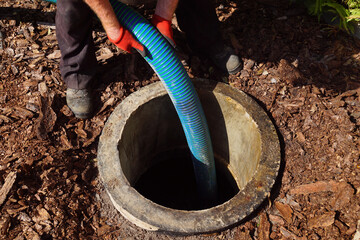
One of the most common septic service options is septic tank pumping. Over time, solid waste settles at the bottom of the tank and forms a sludge layer. If this buildup becomes excessive, the tank loses its ability to separate waste effectively. Pumping removes accumulated sludge and scum to restore proper capacity inside the system.

The frequency of pumping depends on factors such as household size, water usage, and tank capacity. Homes with larger families often require more frequent pumping because they generate more wastewater daily. Routine pumping helps prevent solids from entering the drain field, where they can create severe blockages and expensive damage.

Septic tank pumping also provides an opportunity for professionals to inspect the condition of the tank. During service, they may identify cracks, leaks, or early signs of wear that could affect long term performance. Regular pumping is one of the most important steps in maintaining a healthy septic system.

Septic System Inspection Services

Inspection services are another essential part of septic system maintenance. A septic inspection evaluates the condition of the tank, pipes, drain field, and other system components. These inspections help identify potential issues before they become major repairs.

Homeowners often schedule inspections when purchasing a property, after experiencing plumbing issues, or as part of routine maintenance. During the inspection, professionals may measure sludge levels, check wastewater flow, and look for signs of leaks or structural damage. Early detection of problems can save homeowners significant time and money.

Inspections are especially valuable because many septic issues develop slowly and remain hidden underground. Without professional evaluation, small problems may go unnoticed until they cause backups or system failure. Routine inspections provide peace of mind and help ensure the system continues functioning efficiently.

Septic Tank Cleaning Services

Septic tank cleaning goes beyond simple pumping by thoroughly removing waste and buildup from inside the tank. Over time, residue can accumulate on tank walls and components, reducing overall efficiency. Cleaning helps restore the system’s ability to process wastewater effectively.

This service is particularly beneficial for systems that have not been maintained regularly or are experiencing recurring issues. Cleaning may also involve checking filters, baffles, and other internal components that help regulate wastewater flow. Removing excess buildup supports better system performance and reduces stress on the drain field.

Many homeowners combine cleaning services with regular pumping schedules to maintain long term septic health. A cleaner tank allows natural bacteria to function more effectively and helps reduce odors and blockages inside the system.

Septic Repair Services

Even with proper maintenance, septic systems may eventually require repairs. Components such as pipes, pumps, lids, or baffles can wear down over time and affect system performance. Septic repair services address these issues before they lead to complete system failure.

Common repairs include fixing leaks, replacing damaged pipes, and repairing cracked tanks. Some systems may also require adjustments to improve wastewater flow or drainage. Addressing repairs quickly helps prevent larger problems that can affect the entire septic system.

Drain field repairs are another important service option. If wastewater cannot filter properly through the soil, standing water and foul odors may develop around the property. Repairing or restoring the drain field helps maintain safe wastewater treatment and prevents environmental contamination.

Emergency Septic Services

Emergency septic services are designed to handle urgent problems that require immediate attention. Sewage backups, overflowing tanks, and severe drainage issues can create unsafe and unsanitary conditions inside the home. Fast response is essential to minimize damage and restore proper system function.

Emergency services often include immediate pumping, blockage removal, and temporary repairs to stop wastewater from spreading. Professionals may also inspect the system to identify the underlying cause of the emergency and recommend long term solutions.

While emergencies can happen unexpectedly, many septic failures result from neglected maintenance. Routine care and inspections help reduce the likelihood of urgent situations and protect homeowners from costly disruptions.

Drain Field Maintenance and Restoration

The drain field is one of the most important parts of a septic system because it filters treated wastewater back into the soil. Over time, however, drain fields can become compacted, clogged, or overloaded. Drain field maintenance services help restore proper drainage and improve system performance.

Professionals may use specialized techniques to remove buildup, improve soil absorption, and restore airflow within the drain field. In some cases, damaged sections may require repair or replacement. Addressing drain field issues early helps prevent wastewater backups and protects the surrounding property.

Homeowners can also support drain field health through proper maintenance habits. Avoiding heavy vehicles, reducing water usage, and keeping tree roots away from the area all contribute to better long term performance.

Septic System Installation and Replacement Options

In some situations, older septic systems may require full replacement rather than repair. Installation services are necessary when a new system is needed due to severe damage, outdated components, or increased household demands.

The installation process involves evaluating soil conditions, determining proper tank size, and designing an efficient wastewater management system. Proper installation is essential for long term reliability and compliance with local regulations.

Replacement systems may also include modern upgrades that improve efficiency and wastewater treatment. Investing in a properly designed system can provide homeowners with improved performance and reduced maintenance concerns over time.

Choosing the Right Septic Service Option

Selecting the right septic service depends on the condition of the system and the homeowner’s specific needs. Routine pumping and inspections are ideal for preventive maintenance and long term care. Cleaning services may be necessary for systems experiencing buildup or reduced efficiency.

Repair services are important when components become damaged or wastewater flow is affected. Emergency services provide immediate solutions during urgent situations, while drain field restoration helps maintain proper filtration and drainage.

Homeowners should also consider the age of the system and maintenance history when deciding on services. Regular professional care is often the best way to prevent major repairs and extend the lifespan of the septic system.

Conclusion

Septic service options play a vital role in maintaining a safe, efficient, and reliable wastewater system. From routine pumping and inspections to repairs and emergency support, each service helps protect the health and performance of the septic system. Understanding these options allows homeowners to make informed decisions and address problems before they become severe.

Regular maintenance and timely service not only improve system efficiency but also reduce long term repair costs and environmental risks. A properly maintained septic system supports a cleaner, healthier, and more comfortable home environment. By investing in the right septic services, homeowners can protect their property and ensure dependable wastewater management for many years to come.

What Is Foundation Repair and How Do You Know If Your Home Needs It?

Foundation Repair

It often starts with something small that is easy to overlook. A thin crack in the wall, a door that suddenly sticks, or a floor that no longer feels level can seem like minor issues. But these subtle signs can point to a deeper problem beneath your home. The foundation is what supports everything above it, and when it shifts or weakens, the entire structure can be affected. Foundation repair addresses these issues at their source, helping restore stability and prevent further damage.

Understanding Foundation Repair Murfreesboro TN can help you act early, avoid costly problems, and protect the long term safety of your home.

What Is Foundation Repair

Foundation repair is the process of fixing structural problems in a building’s base. These issues can develop over time due to soil movement, moisture changes, or natural settling.

The goal of foundation repair is to stabilize the structure and correct any uneven movement. This may involve reinforcing the foundation, lifting sections that have settled, or sealing cracks.

Unlike surface level fixes, foundation repair focuses on the root cause of the problem. This ensures that the solution is long lasting rather than temporary.

A properly repaired foundation helps maintain the strength and integrity of the entire home.

Common Signs of Foundation Problems

Recognizing early warning signs can help prevent more serious damage. One of the most common signs is cracks in walls, floors, or ceilings. These cracks may grow over time if the issue is not addressed.

Doors and windows that no longer open or close properly can also indicate foundation movement. Changes in alignment affect how these features function.

Uneven or sloping floors are another sign. This can make walking uncomfortable and may indicate shifting beneath the structure.

Gaps between walls and ceilings or around window frames may also appear. These gaps often result from structural movement.

Paying attention to these signs allows you to take action before problems worsen.

Causes of Foundation Damage

Several factors can contribute to foundation issues. Soil movement is one of the most common causes. Changes in moisture levels can cause soil to expand or shrink, putting pressure on the foundation.

Poor drainage can also lead to problems. Water buildup around the foundation weakens the soil and increases the risk of movement.

Tree roots can affect the foundation by drawing moisture from the soil or applying pressure as they grow.

Natural settling occurs over time as the ground adjusts. While some settling is normal, excessive movement can lead to damage.

Understanding these causes helps you take preventive steps to protect your home.

Types of Foundation Repair Methods

Different problems require different repair solutions. One common method involves installing support systems beneath the foundation to provide stability.

Another approach focuses on lifting and leveling sections that have settled. This helps restore proper alignment and function.

Crack repair is used for smaller issues. Sealing cracks prevents water from entering and causing further damage.

Improving drainage around the home is often part of the repair process. This reduces moisture related issues and supports long term stability.

Each method is selected based on the specific condition of the foundation.

The Foundation Repair Process

The repair process begins with a detailed inspection. This step identifies the cause and extent of the problem.

Once the issue is understood, a repair plan is created. This plan outlines the methods and steps needed to fix the problem.

Preparation may involve clearing the area and accessing the foundation. This ensures that repairs can be carried out effectively.

The repair work is then performed, focusing on stabilizing and restoring the structure. This may include installing supports, leveling the foundation, or sealing cracks.

A final inspection ensures that the repairs have been completed correctly and that the foundation is stable.

Cost of Foundation Repair

The cost of foundation repair can vary depending on several factors. The severity of the damage is one of the main considerations. Minor repairs are generally more affordable, while major structural issues can be more expensive.

The size of the home and the type of foundation also influence cost. Larger structures or more complex foundations may require additional work.

Materials, labor, and the chosen repair method all contribute to the overall expense.

Addressing issues early can help reduce costs and prevent more extensive repairs in the future.

Preventing Foundation Problems

Preventive measures can help reduce the risk of foundation damage. Proper drainage is one of the most important factors. Ensuring that water flows away from the foundation helps maintain stable soil conditions.

Maintaining consistent moisture levels around the home is also important. Sudden changes can cause soil movement.

Regular inspections allow you to identify potential issues early. Addressing small problems promptly helps prevent larger ones.

Keeping vegetation at a safe distance from the foundation can also reduce the impact of roots.

These steps help protect your foundation and extend its lifespan.

When to Call a Professional

Foundation issues should not be ignored, as they can worsen over time. If you notice large cracks, significant shifting, or ongoing problems with doors and windows, it is important to seek professional help.

A professional assessment provides a clear understanding of the problem and the best solution. Early intervention can prevent further damage and reduce repair costs.

Experienced professionals ensure that repairs are done safely and effectively.

Taking action at the right time helps protect your home and provides peace of mind.

Final Thoughts

Foundation repair is a critical part of maintaining the safety and stability of your home. While problems may begin with small signs, addressing them early can prevent more serious damage and costly repairs.

By understanding the causes, recognizing the warning signs, and taking preventive measures, you can protect your foundation and ensure the long term integrity of your property.

In the end, a strong foundation is more than just a structural element. It is the base that supports your home and everything within it, making it essential to keep it in the best possible condition.

Cabinet Refacing for Kitchen Cabinets

Cabinet Refacing

Cabinet Refacing Sacramento is an affordable kitchen upgrade that transforms the look of your cabinets. The refacing process includes repairing or cleaning the cabinet boxes and applying a veneer to the box fronts.

Contractors can install solid wood, 3D laminate, or rigid thermofoil to the boxes. Rigid thermofoil is a great option because it’s non-porous and won’t absorb water vapor, making it more resistant to moisture damage.

Layout and Measurements

Cabinet refacing offers homeowners a great way to give standard kitchen cabinets a custom look without the cost of a complete remodel. The process keeps existing cabinet boxes intact while removing and replacing the old doors and drawer fronts. A well-planned and executed cabinet refacing project can also boost the resale value of a home. According to industry data, a minor kitchen remodel often recoups 80% of its initial cost in terms of increased home sales price.

One of the first steps in a successful cabinet refacing project is to create a budget for the work. This is especially important if you intend to take on the project yourself rather than hire a professional. A good rule of thumb, according to Architectural Art Designs, is to add a ten percent cushion to the budget for unexpected errors and extras.

The next step is to plan the layout and measurements for the new cabinet doors, drawer fronts and end panels. The goal is to ensure the new elements will fit the existing cabinet boxes with minimal adjustments. The easiest way to do this is by creating a line art diagram of the kitchen layout with all cabinet sizes noted. This will allow you to accurately calculate door widths and heights as well as the depth of each cabinet box. If you decide to add a panel or end panel to an opening, be sure to double the size of that cabinet door or drawer front’s overlay to find out how much space will be needed.

It is important to determine the style and finish of cabinet doors that will match the room’s design scheme. For example, if you have cool white walls and light-colored flooring, sleek Shaker-style cabinet doors may be the perfect complement for your refacing project. If you have a natural-toned kitchen, wood veneer might be an ideal choice for your cabinet refacing project.

It’s also important to decide whether to paint or stain the cabinet boxes. In many cases, the best option for refacing your kitchen cabinets is to apply 3D laminate — commonly known as thermofoil — to the exterior of the cabinet boxes. This material molds seamlessly around curves, corners and edges for a high-quality, professionally finished look. In addition, this material resists heat and moisture better than traditional solid surface materials like formica or wood veneer.

Storage Needs

Cabinet refacing is a cosmetic update that keeps cabinet boxes intact and simply adds a fresh new skin. It starts with careful assessment and measurement to confirm that the boxes are square, structurally sound, and worthy of saving. Doors, drawer fronts, and hardware are then removed, cataloged, and stored for later recycling or donation. Cabinet boxes are then thoroughly cleaned and lightly sanded to prep for the application of a new material. Thin layers of real-wood veneer, rigid thermofoil (RTF), or laminate are applied to the cabinet surfaces for a smooth finish that matches your upgraded door and drawer fronts.

Refacing is less costly than a full replacement and it’s environmentally friendly because it avoids sending unrecyclable materials to the landfill. It’s the perfect solution for homeowners who are satisfied with their existing cabinet layout, storage options, and organizational features but want a dramatic style upgrade. However, if you need to improve functionality or the overall layout of your cabinets, a full kitchen remodel is likely necessary.

A full cabinet replacement involves removing every single cabinet box, making potential plumbing and electrical modifications, and installing an entirely new system. It’s the most expensive option but offers complete flexibility in design and layout, a more seamless transition, and brand-new cabinets throughout. However, it’s a long, drawn-out process that can be stressful and disruptive to home life.

Considering the cost and mess of a full renovation, Cabinet Refacing for Kitchen Cabinets is a much more efficient option that delivers stunning results with minimal hassle in days instead of weeks. It’s ideal for homeowners who are ready to breathe fresh life into a compact space, solving challenges that come with working with limited floorspace.

Unlike traditional paint, 3D laminate fully wraps around cabinet doors and drawer fronts in three dimensions. It fuses seamlessly to every curve, edge, and groove, providing an exceptionally polished finish that’s virtually impossible to tell apart from wood grain. This modern material is also durable, reducing the risk of peeling over time. It’s available in a wide range of colors and styles, making it easy to create an updated look that perfectly suits your style preferences.

Style and Finishes

If you are looking for a quick and affordable way to transform your kitchen cabinetry, refacing, resurfacing, or refinishing might be right for you. Unlike a full cabinet replacement, this process involves removing the cabinet doors and drawer fronts to apply new wood veneer or rigid thermofoil to the visible surfaces of your cabinets. This creates a fresh, updated look and can make your kitchen feel larger.

In addition to changing your kitchen’s appearance, refacing also allows you to update your hardware and add additional features like soft-close hinges and crown molding. This is an opportunity to breathe new life into your space and truly customize the room to fit your lifestyle.

Cabinet refacing is less expensive than replacing your entire cabinetry, but the results can be very similar. However, before you jump in feet first to this DIY project, it is important to make sure that you are happy with your current cabinet layout and have some basic home improvement skills. Whether you choose to reface, resurface, or refinish your cabinets, it is important to take care of the existing cabinet boxes and ensure they are in good condition before proceeding. Cracked or warped cabinet boxes can lead to structural problems and may require a full remodel to repair. Additionally, improper application of refacing materials can peel relatively quickly, especially around heat-producing appliances or the edges of the cabinet.

Another key consideration when deciding between refacing and painting is the color scheme of your kitchen. If you love your cabinet hardware but are unhappy with the overall color, refacing is an excellent choice for a refreshed look. You can even mix and match your cabinet doors to achieve a custom design, such as staining your oak cabinets a rich espresso while refacing the interiors of those cabinets with white for a dramatic effect.

Lastly, refacing is an eco-friendly option that keeps your existing cabinet boxes out of the landfill while offering an array of beautiful and customizable options. While cabinet painting is a great option for a fast, inexpensive kitchen update, it cannot change the style of your cabinet doors or fix wear and tear on the existing frames. For this reason, refacing is a smart choice for Roswell and Peachtree City homeowners who want to revitalize their existing kitchen without spending a fortune.

Cost

Cabinet refacing is far less costly than replacing cabinets, typically running between $4,500 and $9,500 for a full kitchen cabinet refresh. This is largely due to the fact that refacing saves you the cost of ripping out and discarding your existing cabinets. However, the exact cost of your project will depend on several factors, including the size of your kitchen and materials used. The final cost will also depend on any additional services you opt to add to your project, such as custom paneling and crown molding.

It is possible to DIY your cabinet refacing, though it’s highly recommended that you work with professionals for the best results. Cabinet refacing is a complex process that requires extensive experience working with veneers. Inexperience can result in lopsided application, creases, or tears that can damage your new doors or drawer fronts.

While you’ll likely have to spend more money hiring a professional, the results will be well worth it. A professional can ensure that your refacing project is seamless and flawless, resulting in a stunning kitchen makeover. Plus, a professional will be able to recommend the best quality products and finishes to match your desired aesthetic.

When it comes to cabinet refacing, the most important thing to remember is that it doesn’t change your existing layout. If you want to rearrange your cabinets, or if you have major structural issues with your cabinet boxes, it’s best to opt for a complete remodel instead of a refresh.

Regardless, if your existing kitchen cabinets are in good condition and you’re happy with your current cabinet layout, refacing is an affordable and eco-friendly option that can give you a like-new kitchen. It’s a quick, cost-effective alternative to a full renovation and can help you transform your space into the kitchen of your dreams. So what are you waiting for? Contact us today to schedule a consultation for your cabinet refacing project. We look forward to helping you uplift your space!