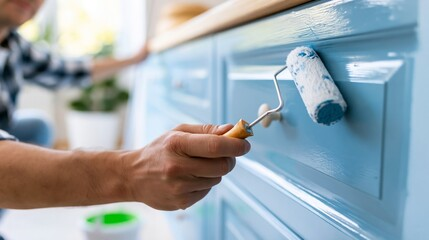
A beautifully painted cabinet can make an entire room feel cleaner, brighter, and more modern. However, achieving that smooth and professional appearance takes far more than picking up a paintbrush and applying color. Cabinet painters combine preparation, technical knowledge, precision, and patience to transform worn or outdated cabinetry into attractive finished surfaces.
Their work requires careful attention because cabinets have edges, corners, grooves, doors, and other details that can easily reveal imperfections. Understanding what cabinet painters do can help homeowners appreciate the skill involved and make informed decisions when planning a cabinet painting or refinishing project.
What Are Cabinet Painters?
Modesto Cabinet Painters are professionals who specialize in preparing and finishing cabinets using paint, stain, coatings, or other finishing products. They may work on kitchen cabinets, bathroom storage, built-in cabinetry, furniture-style cabinets, and other wooden or manufactured surfaces. Their primary goal is to create an attractive and durable finish while preserving the function and appearance of the cabinetry. Unlike general wall painting, cabinet painting requires more detailed preparation and application because the surfaces are smaller and more intricate.
Cabinet painters may handle the entire finishing process from beginning to end. This can include inspecting the existing cabinets, removing doors and hardware, cleaning surfaces, repairing imperfections, sanding, priming, applying finish coats, and completing final touch-ups. Depending on the project, they may use brushes, rollers, or spray equipment. The exact process depends on the material, existing finish, desired appearance, and condition of the cabinets.
What Do Cabinet Painters Do?
One of the most important responsibilities of cabinet painters is preparing the surface. Cabinets can collect grease, dust, dirt, moisture, and other contaminants, especially when they are located in frequently used areas. These substances must be removed before painting because they can prevent the new coating from adhering properly. Painters may also sand the existing finish and repair small dents, scratches, cracks, or other imperfections. Proper preparation creates the foundation for a smooth and long-lasting finish.
Cabinet painters also need to apply coatings carefully and consistently. Depending on the project, they may use primer before applying the final color. Multiple coats may be necessary to achieve the desired coverage and appearance. Each coat needs sufficient drying time before the next application can begin. After the final coat, the painter should inspect the surfaces for drips, uneven areas, missed spots, or other imperfections and complete any necessary touch-ups.
Why Cabinet Painting Requires Precision
Cabinet painting requires a high level of precision because imperfections are often more noticeable on smaller surfaces. Large walls can sometimes hide minor inconsistencies because of their size, but cabinet doors and drawer fronts place imperfections directly within the viewer’s line of sight. Brush marks, uneven edges, paint buildup, and drips can affect the overall appearance. Cabinet painters must therefore maintain control over their tools and application techniques throughout the project.
Edges and detailed areas can be particularly challenging. Raised panels, recessed sections, corners, grooves, and decorative trim may require different techniques to achieve consistent coverage. Painters need to apply enough product to cover the surface without creating excessive buildup. This requires patience and experience. A careful approach can help produce the smooth and uniform finish that homeowners typically expect from professionally painted cabinets.
Cabinet Materials and Preparation
Cabinet painters may encounter several different materials, and each one can require a different preparation approach. Solid wood cabinets can often be sanded and refinished, while laminate and other manufactured surfaces may require specialized preparation and bonding products. Previously painted cabinets may also require careful evaluation before a new finish is applied. Understanding the existing surface is important because choosing the wrong preparation method can lead to poor adhesion or premature peeling.
The condition of the cabinet material also matters. Cabinets with minor scratches or dents can often be repaired during preparation. However, extensive moisture damage, severe warping, or structural deterioration may make refinishing less practical. A professional painter should evaluate the cabinets before beginning work to determine whether the existing surfaces are suitable for painting. Addressing problems before applying the new finish can help prevent disappointing results later.
Tools and Equipment Used by Cabinet Painters
Cabinet painters use specialized tools to achieve smooth and consistent results. Basic equipment can include sandpaper, sanding machines, cleaning supplies, scrapers, brushes, rollers, masking materials, and protective coverings. Spray equipment can also be used when the project requires a highly uniform finish. The choice of equipment depends on the type of coating, surface, project size, and desired appearance.
Proper equipment handling is an important part of the job. Spray systems, sanding equipment, and certain coatings require knowledge and practice to use effectively. Painters must also keep their tools clean and maintained to prevent application problems. Dirty spray equipment or worn tools can affect the final finish. Using the right equipment correctly can improve efficiency while contributing to a cleaner and more professional result.
Popular Finishes Used by Cabinet Painters
Cabinet painters can create many different appearances depending on the products and techniques used. A simple painted finish can provide a clean and modern appearance, while a stained finish can highlight the natural character of wood. Neutral colors remain popular because they can coordinate with many interior styles. Darker colors can create contrast and visual depth, while brighter shades can make cabinetry more noticeable.
The level of sheen also affects the finished appearance. Matte finishes provide a softer and more understated look, while satin and semi-gloss finishes offer greater reflectivity and can be easier to clean. Glossy finishes can create a sleek appearance but may highlight surface imperfections. Cabinet painters can help homeowners understand how different finishes may perform under everyday use. Selecting an appropriate coating can balance appearance, durability, and maintenance.
The Importance of Proper Preparation
Preparation is often the most time-consuming part of cabinet painting, but it is also one of the most important. A painter cannot expect a smooth finish if the surface beneath the paint is dirty, damaged, or poorly prepared. Cleaning removes contaminants, while sanding helps create a suitable surface for primer or paint. Repairs can address small imperfections that would otherwise remain visible after the final coat is applied.
Priming can also be important when working with certain surfaces or making significant color changes. A suitable primer can improve adhesion and help create a more consistent base for the finish coat. Rushing through preparation may save time initially but can lead to peeling, chipping, uneven coverage, and other problems. Experienced cabinet painters understand that careful preparation contributes significantly to the quality and longevity of the finished work.
Cabinet Painters and Spray Finishing
Spray finishing is one technique cabinet painters may use to create a smooth and consistent appearance. When properly controlled, spraying can produce an even layer with fewer visible brush or roller marks. It can be particularly useful for cabinet doors and other flat or detailed components. However, spray finishing requires appropriate equipment, preparation, ventilation, and technique.
The surrounding area must be protected from overspray before spraying begins. Doors and other removable components may be moved to a controlled work area when possible. The painter must also maintain consistent distance, movement, and application speed to avoid runs or uneven coverage. Spray finishing can provide excellent results when performed correctly, but it requires experience and careful control.
Benefits of Hiring Professional Cabinet Painters
Professional cabinet painters can save homeowners significant time and effort. Cabinet painting involves many stages, including preparation, drying, sanding between coats when necessary, and careful reassembly. A homeowner attempting the project without experience may underestimate how much time these steps require. Professional painters are familiar with the process and can organize the work efficiently.
Another advantage is consistency. Experienced painters understand how to achieve even coverage and how to address common surface problems. They can also recognize which products and techniques are appropriate for different cabinet materials. Professional work can reduce the likelihood of visible defects and premature coating failure. For homeowners seeking a polished result, the expertise of an experienced cabinet painter can be valuable.
How to Choose Cabinet Painters
When choosing cabinet painters, homeowners should consider experience, preparation methods, finishing techniques, and the quality of materials used. It can be helpful to ask how the cabinets will be cleaned, sanded, primed, painted, and inspected. Understanding the process can provide insight into the level of care that will be given to the project. Homeowners should also discuss the expected finish and make sure the painter understands their preferred appearance.
Communication is another important factor. A reliable painter should be able to explain the project clearly and provide realistic expectations regarding preparation, drying, completion time, and maintenance. Clear communication can help reduce misunderstandings throughout the project. The goal is to find a cabinet painter who combines technical ability with careful workmanship and a strong commitment to quality.
Final Thoughts
Cabinet painters play an important role in transforming existing cabinetry without requiring complete replacement. Their work involves much more than applying paint because successful results depend on careful preparation, material knowledge, precise application, and attention to detail. From cleaning and sanding to priming, painting, spraying, and final inspection, every stage contributes to the finished appearance. Professional cabinet painters can help homeowners achieve durable and attractive results while reducing the time and effort involved in the project. With the right skills and techniques, cabinet painters can give older cabinetry a fresh appearance and help create a more appealing and functional living space.